Randy Mack | Realtor | 707.696.6272

    Heidi Faulkner | Realtor | 707.480.4098

Artisan Sotheby's International RealtyArtisan Sotheby's International Realty

Sonoma County's Leading Real Estate Agency

  • Home
  • Featured Listings
    • Sold Listings
  • Sonoma County
    • Forestville
    • Healdsburg
    • Petaluma
    • Santa Rosa
    • Sebastopol
    • Windsor
  • Search Listings
    • Listing Alerts
  • Real Estate Explained
    • Real Estate Explained For Buyers
      • Why Work With A Realtor?
      • When Choosing A Realtor
      • Understanding The Term Agency
      • How to Prepare for House Hunting
      • Prepare to Buy A Home
      • Find Your Dream Home
      • About Credit Scores
      • Improving Your Credit Score
      • Track Your Budget
      • Preparing to Finance a Home
      • Loans and Lending Terms
      • When Choosing a Lender
      • Financing a Home Creatively
      • Define Your Dream Home
      • About the Neighborhood
      • Home Finance
      • Your Home’s Value
      • Loan Analysis
      • When Considering a Condo or HOA
      • The Condo Board
      • When Choosing a Home Inspector
      • About the Home Inspection
      • About Home Hazards
      • Green Home Terms
      • About the Appraisal Process
      • About Property Tax
      • Your Mortgage Application
      • Before Making a Short Sale Offer
      • Your Short Sale Purchase Team
      • Buying in a Tight Market
      • About Homeowners Insurance
      • Lower Homeowners Insurance Costs
      • About Title Insurance
      • Track Closing Costs
      • Transaction Documents
      • Your Final Walk-Through
      • Prepare for Your Move
      • Pack Like a Pro
      • How to Move With Pets
    • Real Estate Explained For Sellers
      • 7 Reasons to Work With a REALTOR®
      • When Choosing a Realtor
      • Agency & Agency Relationships
      • When Considering Selling
      • Home Value
      • Home Staging Success
      • Calculate Capital Gains
      • Checklist Before Putting Your Home up for Sale
      • How to Hire a Remodeling Contractor
      • How to Hold a Successful Garage Sale
      • Add Curb Appeal
      • Clean When Your Home is For Sale
      • How to Prepare for the Photoshoot
      • How to Attract More Buyers
      • Checklist for a Better Home Showing
      • How to Use Feng Shui Concepts in Staging
      • What to Know About the Appraisal Process
      • How to Prepare for a Short Sale
      • How to Navigate a Short Sale
      • How to Improve the Odds of an Offer
      • How to Recognize a Qualified Buyer
      • Track Closing Costs
      • Transaction Documents
      • Prepare for Your Move
      • Pack Like a Pro
      • For the New Owners
  • Blog
  • About Us
    • Book of Services
    • Sebastopol By Design
    • Testimonials
  • Links
    • Disaster Prep Tips from professional organizations
      • Wildfire Preparation
      • Wildfire Preparation – FEMA
      • Power Outage Preparation
      • Earthquake Preparation
    • Wounded Warriors Partnership Project
    • Recommended Links
      • Recomended Service Providers

Cosy Holiday Home Trends 2025: Sonoma County Edition

Embrace the Warmth of Wine Country Living

As the evenings grow cooler and the vineyards turn golden, Sonoma County homes take on a special kind of warmth. Whether you’re hosting family for the holidays or preparing your home to sell, the 2025 holiday season is all about comfort, sustainability, and connection to place. Here’s how to bring that cosy, wine-country feel into your home this season.

1. Warm Neutrals + Wine-Country Hues

Inspired by the rolling hills and vineyard sunsets, this year’s palette celebrates earthy tones and nature-inspired warmth. Think caramel, terracotta, sage, and chocolate brown, colours that make any space feel grounded and timeless.

Design tip: Swap out throw pillows, blankets, or accent decor in these hues for an instant seasonal refresh.

2. Textural Layers & Local Artisanal Touches

Texture creates cosiness, and Sonoma County’s artisan community makes it easy to find unique pieces: layer chunky knits, boucle cushions, woven baskets, and live-edge wood furniture.

Shop local:

  • Chateau Sonoma – French country charm meets wine-country elegance.
  • Cottage Home Decor – Handmade slipcovers, vintage finds, and textural accessories.
  • Ireko – A go-to for interior design and warm, contemporary décor.

3. Sustainable & Natural Materials

Sonoma’s eco-minded culture continues to shape home trends. Homeowners are opting for reclaimed wood, bamboo, organic cotton, and recycled glass. All beautiful and planet-friendly.

Realtor insight: As a NAR Green Designee, I can tell you that sustainable upgrades don’t just feel good; they often add value and appeal to eco-conscious buyers.

4. Soft, Ambient Lighting for the Season

As daylight fades earlier, cosy lighting becomes essential. Layer warm-toned lighting with table lamps, floor lamps, LED candles, and string lights to create a glow that feels inviting and calm.

Pro tip: Warm lighting flatters interiors, perfect for listing photos or open houses this season.

5. Hygge-Inspired Corners, California Style

Bring the Danish concept of hygge (comfort and contentment) into your Sonoma home. Create spaces for slowing down, like a reading nook with vineyard views, or an outdoor lounge with plush throws and a fire pit for those cool Northern California evenings.

6. Nature-Inspired Holiday Décor

Skip the plastic and go for natural, locally sourced decorations. Use eucalyptus garlands, grapevine wreaths, pinecones, and dried florals from nearby markets. These bring subtle scents and textures that feel both festive and authentic to the region.

Bonus: Local greenery lasts longer and supports small growers.

7. Elevated Minimalism

This holiday season, less is more. Choose meaningful, handcrafted pieces that tell a story rather than overdecorating. A reclaimed-wood centrepiece, artisan ornaments, or a locally made candle adds warmth without clutter.

Why This Matters for Home Sellers

If you’re selling your home this fall or winter, these cosy, Sonoma-inspired touches can help buyers imagine living there. A home that feels comfortable, grounded, and thoughtfully styled stands out, especially in cooler months when emotional connection drives decisions.

Tip: Staging with texture, light, and warmth helps listings shine in holiday-season marketing photos.

Posted in: Renovation + Build to Suit Tagged: #artisansothebys, #buildtosuit, #buyersagent, #homebuyer, #homebuying, #homeownership, #interiordesign, #luxuryhome, #luxuryrealestate, #mackfaulkner, #realestate, #realestateagent, #realtor, #sonomacounty, #sonomacountyrealestate, HeidiFaulkner, Homeselling, RandyMack, Sellingyourhome

Closing Costs: What Buyers & Sellers Should Expect in 2025

When buying or selling a home in 2025, remember to consider more than just the price. Closing costs are fees you need to pay at the end of the real estate transaction. It’s important to budget for these costs. 

Whether you’re a first-time buyer or a seasoned seller, knowing about closing costs ahead of time helps you avoid surprises and plan your finances better.

Closing Costs for Buyers

For buyers, closing costs typically range between 2% and 5% of the purchase price. These costs may include:

  • Loan Origination Fees – Charged by your lender to process your mortgage.
  • Appraisal Fee – Ensures the property’s value matches the purchase price.
  • Credit Report Fee – Covers the cost of your credit check.
  • Title Search & Title Insurance – Protects against title disputes.
  • Home Inspection Fee – Provides peace of mind before purchase.
  • Escrow Fees – Paid to the escrow company overseeing the transfer.
  • Prepaid Property Taxes & Homeowners Insurance – Collected upfront for your escrow account.
  • Recording Fees – Charged by the county for legal documentation.

Tip for Buyers: Always review your Loan Estimate from the lender, as it outlines your expected buyer closing costs, so you can plan.

Closing Costs for Sellers

Sellers face their own set of fees, which typically fall between 8% and 10% of the home’s sale price (largely due to commissions). Common seller closing costs include:

  • Real Estate Agent Commissions – Usually 5%–6%, split between buyer’s and seller’s agents.
  • Title Insurance (for the Buyer) – Often paid by the seller, depending on local custom.
  • Escrow Fees – Shared with the buyer.
  • Outstanding Taxes or HOA Fees – Must be settled before closing.
  • Repairs or Credits – Negotiated during inspection.
  • Attorney Fees – Required in some states.

Tip for Sellers: Ask your agent for a net sheet. It gives a clear estimate of your proceeds after seller closing costs are deducted.

Average Closing Costs Breakdown

Buyers: 2%–5% of purchase price

Sellers: 6%–10% of the sale price

Example: On a $500,000 home:

Buyers may spend $10,000–$25,000.

Sellers may spend $30,000–$50,000.

You can use this calculator to estimate your closing cost.

Is it possible to negotiate closing costs?

Many closing costs are negotiable. You should discuss fees like origination fees with your lender and compare prices for services such as title insurance and home appraisals. Sellers can also help by covering some costs through “seller concessions.” However, government fees, property taxes, and insurance premiums typically cannot be negotiated.

When do I pay closing costs?

You pay closing costs at the end of the home-buying process, on the day you finalise the purchase. Typically, you will bring a cashier’s check or arrange a wire transfer for these costs.

Closing costs can feel complicated, but when explained clearly, they’re simply part of the home-buying or selling journey. By understanding real estate closing costs in 2025, both buyers and sellers can budget effectively and move forward with confidence.

Thinking about buying or selling a home in Sonoma County? We’d be happy to walk you through the costs and help you prepare for a smooth closing. Call us today!


Posted in: Real Estate Resources Tagged: #agent, #buyersagent, #forestville, #healdsburg, #homebuyer, #homebuying, #homeownership, #luxuryhome, #luxuryrealestate, #mackfaulkner, #petaluma, #realestate, #realestateagent, #realtor, #sebastopol, #sonomacounty, #windsor, HeidiFaulkner, Homeselling, RandyMack, santarosa, Sellingyourhome

Should You Buy a Fixer-Upper or a Move-In Ready Home?

When you shop for a new home, one of the first decisions you need to make is whether to buy a fixer-upper or a move-in-ready home. Both choices have their benefits, but they appeal to different needs. In this article, we’ll explore the key benefits and challenges of each option to help you decide which path is right for you.

Fixer-Uppers

A fixer-upper is a home that needs repairs, renovations, or upgrades, sometimes cosmetic, sometimes structural. These homes often sell below market value, offering a unique opportunity to build sweat equity.

Pros of Buying a Fixer-Upper:

  1. Lower Purchase Price: Fixer-uppers typically list for less than move-in-ready homes in the same area. This can make homeownership more accessible, especially for first-time buyers or those entering a competitive market.
  2. Customisation Potential: You get to renovate and design the space to match your taste, lifestyle, and needs. From countertops to flooring to layout, you’re in control of the look and feel.
  3. Equity Growth Opportunity: If done right, renovations can significantly increase your home’s value. This is especially true in neighbourhoods where home values are trending upward.
  4. Less Buyer Competition: Many buyers shy away from homes that need work. This can lead to less bidding pressure and more room to negotiate.

Cons of Buying a Fixer-Upper:

  1. Renovation Costs Add Up: What looks like a simple cosmetic update can snowball into tens of thousands of dollars once you peel back the layers. Always budget for more than you expect.
  2. Time-Consuming: Depending on the scope of work, it may take weeks or even months before your home is move-in ready. This can be a challenge if you’re on a tight timeline or living situation.
  3. Financing May Be Complicated: Not all mortgage lenders approve loans for homes that need major repairs. You may need a renovation loan (like an FHA 203(k)), which comes with its own process and requirements.

Move-In Ready

A move-in-ready home is exactly what it sounds like. It is fully functional, updated, and safe to live in from day one. This type of home is a simple option that many busy professionals, families, and first-time buyers prefer.

Pros of Move-In Ready Homes:

  1. Immediate Comfort and Convenience: No need to worry about contractors or renovations. Just bring your boxes and start living.
  2. Easier Financing: These homes are generally easier to finance with conventional loans, since they meet livability standards and have working systems (plumbing, electrical, HVAC).
  3. Peace of Mind: Updated systems, newer appliances, and finished spaces can minimise the risk of surprise repairs.
  4. Lower Short-Term Maintenance: With everything up to date, you can expect fewer repair bills in the first few years of ownership.

Cons of Move-In Ready Homes:

  1. Higher Purchase Price: Turnkey homes typically command a premium, especially in hot markets. You’re paying for convenience and upgrades someone else already completed.
  2. Limited Customisation: You may love the location and layout, but not the finishes or style. Making changes after move-in can be costly, especially if materials are new.
  3. More Buyer Competition: Everyone loves a home that’s ready to go. You may find yourself in multiple-offer scenarios or needing to make compromises to compete.

5 Questions to Help You Decide

Ask yourself the following:

  1. What is your total budget?: Including renovations, not just purchase price. Renovating a fixer-upper requires a separate budget. Don’t forget to include 10–20% for unexpected costs.
  2. Do you have the time and energy to manage a renovation?: If you’re busy with work, school, or family, managing a renovation might stretch you too thin.
  3. How quickly do you need to move in?: If your lease is ending or you’re relocating for work, a fixer-upper might not fit your timeline.
  4. Are you open to living in a construction zone?: Some buyers choose to live in their fixer-upper while renovating, but this isn’t for everyone.
  5. Do you love home design or feel overwhelmed by too many choices?: If picking tile samples and coordinating contractors sounds exciting, a fixer-upper could be a dream. If it sounds like a headache, turnkey may be best.

Market Trends

According to Zillow, research finds fixer-uppers are selling for the largest discount in years as buyers seek out move-in-ready properties.

  • Buyers pay 3.7% more than expected for remodelled homes.
  • Remodelled homes get 26% more daily saves and 30% more daily shares on Zillow than similar homes.
  • Fixer-uppers sell for 7.3% less than other similar homes, the largest discount in three years.

There’s no right or wrong choice, only what is right for you. A fixer-upper may be a good option if you have a clear vision, want to save money, and are willing to put in some effort. A move-in-ready home is better if you want convenience and speed, can afford a higher price, and prefer not to handle home projects.

As real estate professionals, we help buyers make smart and confident choices every day. Whether you want a fixer-upper or a move-in ready home, we’re here to help you. Let’s discuss your goals and find the perfect home for you. Call us!

Posted in: Home Buying Tagged: #agent, #artisansothebys, #buildtosuit, #buyersagent, #forestville, #healdsburg, #homebuyer, #homebuying, #homeownership, #luxuryhome, #luxuryrealestate, #mackfaulkner, #petaluma, #realestate, #sebastopol, #sonomacounty, HeidiFaulkner, RandyMack, santarosa

First-Time Buyer Myths Debunked: What’s True in 2025

Buying your first home is one of the most exciting (and nerve-wracking) experiences you’ll ever have. But with all the outdated advice, internet rumours, and well-meaning opinions floating around, it can be hard to know what’s true, especially in today’s 2025 housing market.

Let’s clear up some common myths about buying your first home. This will help you feel more confident and prepared to own your first home.

Myth #1: You Need 20% Down to Buy a Home

Reality in 2025: Not true!

While putting 20% down can help you avoid private mortgage insurance (PMI), many first-time buyers qualify for loans with as little as 3% down or even zero down if you’re eligible for VA or USDA loans. Many lenders now offer flexible down payment assistance programs specifically designed to make buying more accessible.

Tip: Explore local and federal programs available to first-time buyers, and speak with a loan officer to understand your options. Here are some loan types with low down payment options:

  • VA loans allow a 0% down payment. Sponsored by the Department of Veterans Affairs, VA Loans are open to veterans, reservists, active-duty personnel, and surviving spouses.
  • USDA loans offer financing with no down payment. Organised by the U.S. Department of Agriculture as part of its Rural Development Guaranteed Housing Loan program.
  • FHA loans allow a 3.5% down payment. Backed by the Federal Housing Administration. Drawbacks include a slower loan process and the need to pay mortgage insurance for FHA loans.

Myth #2: You Should Wait for Interest Rates to Drop

Reality in 2025: Timing the market is a gamble.

While interest rates have fluctuated over the past few years, waiting for the “perfect” rate could cost you more if home prices continue to rise. Additionally, rates can be refinanced later if they drop. But you can’t go back in time and get a lower home price.

Tip: If you’re financially ready now, focus on finding a home within your budget rather than trying to guess what the market will do next.

Myth #3: Your Credit Has to Be Perfect

Reality in 2025: Your credit doesn’t need to be flawless, but it matters.

A high credit score can help you get a better interest rate, but generally, conventional mortgages may require a minimum FICO score of 620. However, FHA (Federal Housing Administration) loans may accept lower credit scores starting at 580, which is popular among first-time homebuyers.

FICO Credit Score Range

Tip: Check your credit early, correct any errors, and talk to a lender who can help you understand where you stand. Learn how to improve your credit score here.

Myth #4: You Can’t Buy With Student Loans

Reality in 2025: Student loans don’t automatically disqualify you.

Lenders look at your overall debt-to-income ratio (DTI) rather than just the presence of student loans. As long as your payments are manageable and your income supports your mortgage, having student debt isn’t a deal-breaker.

Tip: Keep other debts low and have a steady income to offset your student loan obligations.

Myth #5: Renting Is Always Cheaper Than Owning

Reality in 2025: Not necessarily.

With rising rent prices in many markets, owning a home can be a smart long-term investment. Monthly mortgage payments often remain steady (especially with a fixed-rate loan), while rents can increase annually. Plus, every payment builds equity in your future.

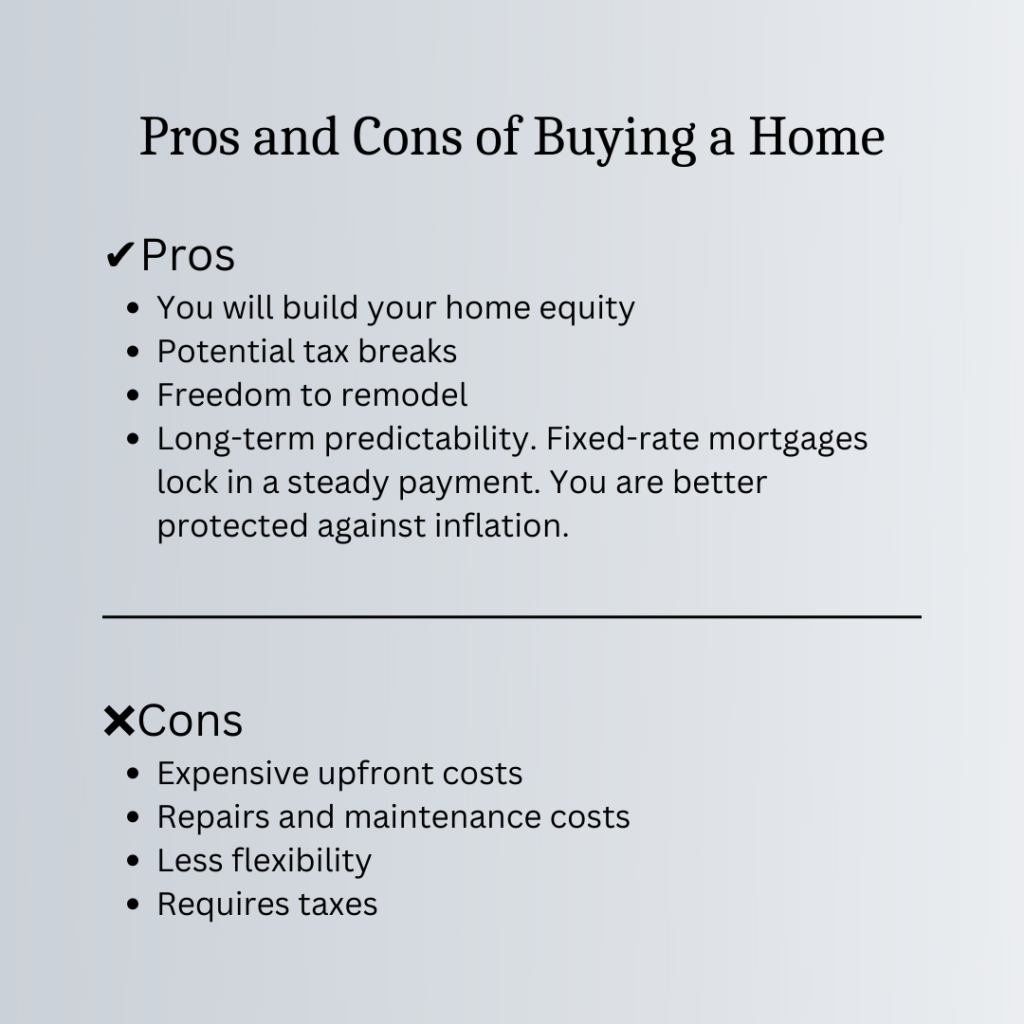
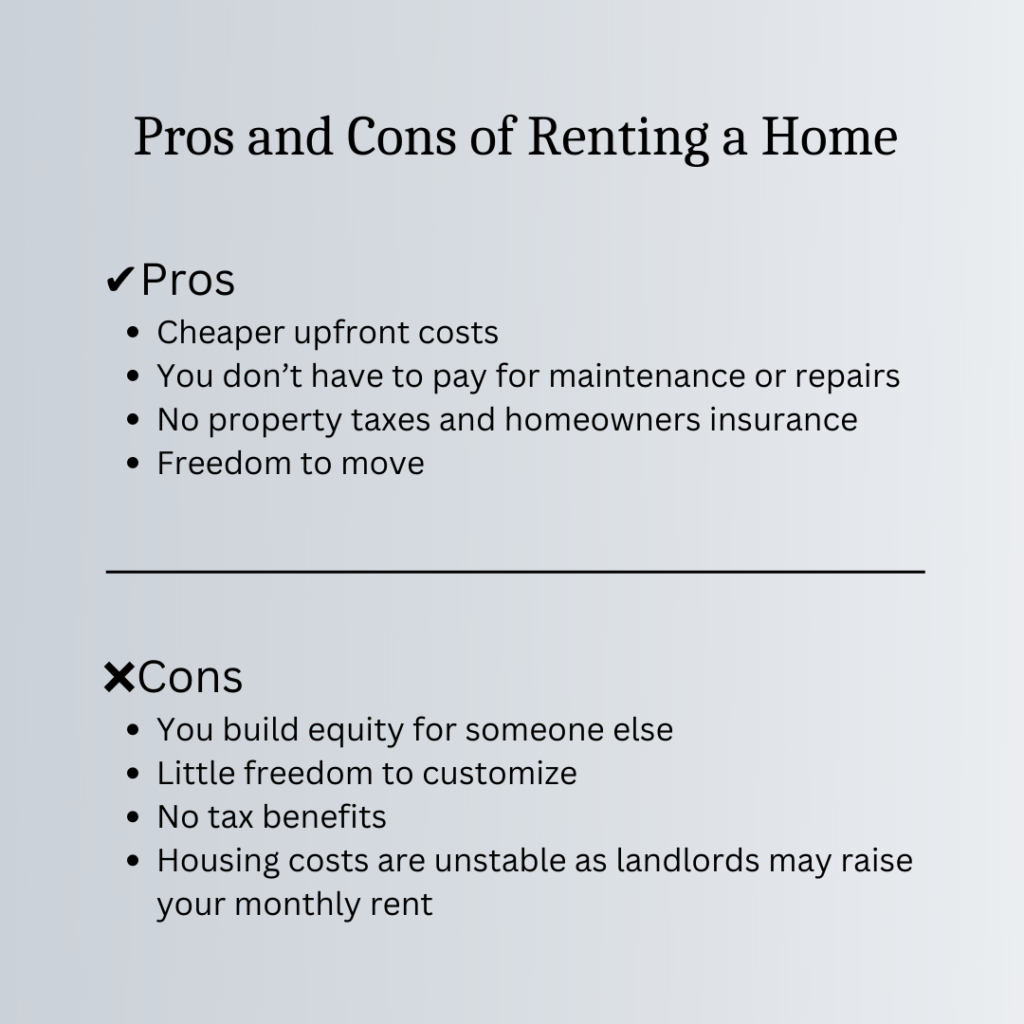
Tip: Compare the cost of renting vs. buying in your area, including tax breaks, maintenance, and equity building. Learn more about the pros and cons of renting vs. buying a home here.

Myth #6: You Don’t Need an Agent If You Use Zillow

Reality in 2025: Online listings are helpful, but not a substitute for an experienced agent.

A good buyer’s agent helps you find homes that match your needs, negotiates on your behalf, explains contracts, and protects your interests. And the best part? The seller typically pays their commission.

Tip: Interview a few agents and choose one who understands first-time buyers and your local market. Ask for referrals; recommendations from people you know with positive experiences, read reviews online, and check their track record.

When choosing a real estate agent, it’s important to consider these factors as this will help you make an informed choice and work with an agent best equipped, like Heidi and me, to help you achieve your goals.

Myth #7: Your Pre-Approval Rate is the Rate You’ll Get

Reality in 2025: Pre-approval gives you a helpful estimate, but the interest rate you’re quoted isn’t set in stone. Rates can change daily based on market trends, and your final rate won’t be locked in until you have a signed purchase contract on a specific property. Even then, rates can expire, so timing matters.

Tip: Ask your loan officer how long your rate lock will last, and review your options carefully once you’re under contract.

Myth #8: Buying a Fixer-Upper Will Save You Money

Reality in 2025: Fixer-uppers often come with major underlying issues, like outdated wiring, ageing plumbing, mould, foundation cracks, or even environmental hazards like asbestos, that aren’t always visible during a walk-through. Even the most thorough inspection can miss problems hidden behind walls or under floors.

Tip: Always get a detailed repair estimate and inspection contingency. Consider the time, effort, and surprise expenses before committing.

Myth #9: You Shouldn’t Buy Until You Can Afford Your “Forever” Home

Reality in 2025: Waiting to afford your “forever” home could mean missing out on years of equity growth and appreciation, especially in markets where home values continue to climb.

In today’s higher-rate environment, affordability is tighter, and many buyers are resetting expectations. But that doesn’t mean you’re making a bad financial decision by starting smaller. Starter homes are a stepping stone, not a setback. They allow you to build equity, establish credit, and gain valuable homeownership experience, all while protecting yourself from rising rents.

Tip: Aim for a home you can live in for 5–7 years, even if it’s not your dream. You can always trade up later.

Myth #10: A 30-Year Fixed Mortgage is Always the Best Choice

Reality in 2025: Adjustable-rate mortgages (ARMs) may offer lower starting rates, which can save you money depending on your plans.

In 2025, with interest rates still elevated compared to recent years, many buyers are exploring adjustable-rate mortgages (ARMs) as a more flexible, cost-saving alternative. ARMs typically offer a lower initial interest rate, which can mean lower monthly payments and significant savings in the early years of your loan.

Photo from Slide 7 © Rosalinda Parks | Slideplayer.com


Tip: If you plan to sell or refinance within 5-7 years, consider an ARM. Just understand how and when the rate adjusts.

Buying your first home in 2025 might seem overwhelming, but don’t let myths hold you back from achieving your goals. With the right knowledge, support, and strategy, you can make a confident move toward homeownership.

Have more questions? Reach out, We’d love to help you take the first step toward your dream home.

Posted in: Home Buying Tagged: #artisansothebys, #buyersagent, #homebuyer, #homebuying, #homeownership, #luxuryhome, #luxuryrealestate, #mackfaulkner, #realestate, #realestateagent, #realestatemarket, #realtor, #sonomacounty, #sonomacountyrealestate, HeidiFaulkner, RandyMack

10 Essential Steps to Buying Your Dream Home

Buying a home is a major financial decision. Whether you are a first-time buyer or upgrading, the process can feel overwhelming. Here’s a step-by-step guide to help you buy a house.

Step 1: Assess Your Financial Situation

  • Check your credit score: Credit scores range from 200 to 850, with scores above 620 deemed desirable for obtaining a mortgage.

When lenders assess your mortgage application, they will review your FICO score. A FICO score is a number that shows your creditworthiness. It is calculated using a special formula based on data from the three main credit reporting companies: Experian, Equifax, and TransUnion.

Improve your credit score with this guide.

  • Calculate your debt-to-income ratio: Lenders use this metric to assess your mortgage repayment ability. Ensure your debt-to-income ratio is within an acceptable range to secure favourable loan terms.
  • Determine how much you can afford. Understanding your budget helps you avoid taking on a mortgage that may become a financial burden, keeping your monthly payments manageable. Account for additional costs like property taxes, insurance, maintenance, and potential HOA fees.

Step 2: Get Pre-Approved for a Mortgage

A mortgage pre-approval is crucial in today’s competitive market. It shows sellers that you are a serious buyer and helps you determine your budget. Work with a lender to get pre-approved by providing financial documents such as income statements, tax returns, and credit reports. Here’s a helpful link about questions to ask when choosing a lender.

Step 3: Define Your Home Needs and Wants

Make a list of must-have features and nice-to-have amenities. Here are a few examples of must-have list items to consider to help you narrow down your options when searching for homes:

  • Location
  • Home size
  • Outdoor space
  • Number of bedrooms and bathrooms
  • Proximity to schools and work
  • Neighbourhood safety
  • Layout, features, and finishes

Step 4: Hire a Real Estate Agent

A knowledgeable and experienced real estate agent like Randy and Heidi can make the process much smoother. They will help you find homes that match your criteria, schedule viewings, negotiate on your behalf, and guide you through paperwork and contracts.

Step 5: Start House Hunting

Work with your agent to view homes that fit your budget and needs. Take notes during each showing, ask questions about the property, and compare the listings to help you make a good decision. Here’s a list of what to look for when touring a home:

1. Overall Condition of the Home

  • Look for signs of water damage, such as stains on ceilings or walls.
  • Check for cracks in walls, ceilings, or the foundation that could indicate structural issues.
  • Test doors and windows to see if they open and close properly.

2. Roof and Exterior

  • Ask about the age of the roof.
  • Look for cracks in the siding, brick, or stucco that may lead to costly repairs.

3. Plumbing and Water Issues

  • Turn on faucets to check water pressure and drainage.
  • Look under sinks for leaks, mold, or water damage.

4. HVAC System

  • Ask about the age and maintenance history of the heating and cooling system.

5. Kitchen and Appliances

  • Ask about the age and condition of appliances included in the sale (oven, dishwasher, refrigerator, etc.).
  • Look at cabinets and drawers to make sure they open and close properly.
  • Check countertops and flooring for wear and tear.

6. Bedrooms and Living Spaces

  • Ensure the layout fits your lifestyle and furniture needs.
  • Look for adequate closet and storage space.
  • Check natural lighting and ventilation in each room.

7. Neighbourhood and Surroundings

  • Listen for noise levels from traffic, neighbours, or nearby businesses.
  • Observe street parking availability and overall neighbourhood upkeep.

8. Red Flags to Look Out for in a Home Inspection

  • Strong odours, such as mold or smoke, that may be difficult to remove.
  • Freshly painted spots that could be hiding damage.
  • Foundation cracks wider than 1/4 inch.

Tip: Take photos while visiting each house and focus on the things you can’t change, like location, the neighbourhood, or the size of the bedrooms.

Step 6: Make an Offer

Once you find the right home, work with your agent to submit a competitive offer. This includes your proposed purchase price, contingencies (such as inspections and financing), and a closing timeline. The seller may accept, reject, or counter your offer.

Step 7: Get a Home Inspection

A home inspection is essential to uncover any hidden issues with the property. Hire a professional inspector to check for structural problems, plumbing and electrical issues, roofing conditions, and more.

It’s always a good idea to add a contingency clause to your offer stating that you have a certain amount of time to inspect the property. If any major problems are found, you may negotiate repairs or reconsider your purchase.

Step 8: Secure Your Mortgage Loan

Once your offer is accepted, finalise your mortgage by working with your lender. You’ll choose a loan type, lock in your interest rate, and provide any additional documents required for loan approval.

Step 9: Conduct a Final Walkthrough

Before closing, do a final walkthrough of the property to ensure everything is in order. Verify that agreed-upon repairs have been completed and that the home is in the condition expected.

Here’s a detailed list of what to check for on your final walkthrough.

Step 10: Close the Deal

On closing day, you’ll sign all necessary documents, pay closing costs, and officially receive the keys to your new home. Your real estate agent and lender will guide you through this final step.

Tip: Don’t forget to re-key all the locks and change the garage door opener code when the property is officially yours.

Buying a house is an exciting but complex process. By understanding each step and working with professionals, you can make confident decisions and find the perfect home. If you’re ready to start your home-buying journey, reach out to a trusted real estate agent today!

Posted in: Home Buying Tagged: #artisansothebys, #buyersagent, #forestville, #healdsburg, #homebuyer, #homebuying, #homeownership, #luxuryhome, #mackfaulkner, #petaluma, #realestate, #realestateagent, #realtor, #sebastopol, #sonomacounty, #windsor, HeidiFaulkner, RandyMack, santarosa

Real Estate Predictions for 2025

As we get closer to 2025, the real estate market is about to change significantly due to economic shifts and buyer preferences. This blog will highlight key predictions that might affect the housing market. This will help you find both opportunities and challenges coming your way.

1. Increased Demand for Suburban and Secondary Markets

The migration to suburban areas during the pandemic has had a lasting impact. As many workers have transitioned to remote and hybrid work models, many have chosen to settle in suburban and secondary cities. 

In 2025, we anticipate continued interest in these secondary markets, as many buyers prioritise affordability, larger living spaces, and a high quality of life.

Pro Tip: If you’re considering selling in these areas, this could be a prime time to list your property.

2. Sustainability Takes Center Stage

Green homes will be a major focus as buyers prioritise energy-efficient features and sustainable materials. Properties equipped with solar panels, energy-saving appliances, and smart home systems will command higher premiums, creating a home so efficient it pays you back.

If you are looking for a new, more resource-efficient property, Randy Mack a REALTOR® with NAR’s GREEN Designation can help.

3. Rising Interest Rates Stabilize

While interest rates have been a hot topic recently, 2025 may bring more stability. This could encourage hesitant buyers to re-enter the market, though affordability will remain a key concern.

According to Freddie Mac, since September, rates have been on the rise again and ended the month of November at 6.81% after hitting 2-year lows of 6.08% in late September. Lawrence Yun, chief economist of the National Association of REALTORS®, says the rates should stabilise at the low end of that range for 2025 and 2026.

NAR, What’s Next for the 2025 Housing Market?: Factors that could change Yun’s forecast: a reduction in the budget deficit, an easing of housing regulations holding up home builders, or a significant increase in the labour force to help lower inflationary pressures. In such cases, “mortgage rates could come down quickly,” Yun noted.

Pro Tip: Buyers should monitor rates closely and consider locking in when favourable terms are available.

4. Fewer Deals for Renters

Renters who received good deals in 2024 because of many new apartment buildings may find fewer offers in 2025. The pace of new construction is expected to slow down, with new rental buildings predicted to drop by 21% in the first half of 2025 and further declines expected throughout the year.

This drop in available apartments will likely stabilize rental prices and give renters less power to negotiate for extras like a free month of rent.

5. Increased Housing Inventory

Inventory levels are up by 27% compared to last year. New home construction is also rising, which could help ease housing costs. Yun predicts a continued increase in housing inventory and new builds through 2025.

Housingwire: As it continues, we’re slowly getting closer to the old normal levels. While we have 27% more homes for sale now than last year, we have 22% fewer homes on the market than at the end of 2018. By the end of next year, we should be back to old normal inventory level.

6. Positive Outlook for Home Sales

Improved job numbers and recent stock market gains could encourage more Americans to act on their homebuying plans.

NAR: Pending home sales rose 3% year-over-year in September 2024, suggesting that “the worst is over,” according to Yun. With growing inventory and pent-up demand from a population increase of 70 million since 1995, the housing market may be poised for a strong rebound.

7. Millennial and Gen Z Buyers Dominate

Younger generations will continue to drive the housing market, bringing preferences for tech-savvy homes, walkable neighbourhoods, and urban amenities.

Sellers should consider these trends when marketing properties.

8. Increased Focus on Climate Resilience

With climate change impacts becoming more pronounced, properties in areas prone to natural disasters will need to prioritize resilience. Buyers will seek homes with features like reinforced structures and flood protection.

The real estate market in 2025 offers new opportunities and challenges. Knowing these trends can help you manage your buying, selling, or investing with confidence. Being prepared and adaptable will be essential for success in the coming year.

If you’re ready to take the next step, don’t hesitate to reach out. A knowledgeable real estate agent can provide invaluable insights, helping you make informed decisions in this dynamic market. Call us!

Posted in: Real Estate Trends + Stats Tagged: #artisansothebys, #buyersagent, #homebuyer, #homebuying, #homeownership, #mackfaulkner, #realestate, #realestateagent, #realestatemarket, #realtor, #sonomacounty, #sonomacountyrealestate, HeidiFaulkner, Homeselling, RandyMack, realestate2025, realestatenews, realestatepredictions, Realestatetrends, Sellingyourhome

When Is The Best Time To Buy a House?

Timing is important when you want to get the best deal in the housing market. Here’s a breakdown of factors to consider when deciding the best home-buying time.

Seasonal Trends

1. Spring and Summer

These months are the peak buying seasons for real estate. There’s typically a surge in listings, giving buyers more options. However, this also means increased competition, which can drive up prices. Sellers are often eager to close deals before the start of the school year, which can lead to faster transactions but fewer price negotiations.

2. Fall

As the summer rush slows, fall often provides a sweet spot for buyers. With fewer active buyers in the market, sellers may be more willing to negotiate on price or offer concessions. Inventory is still relatively high, but competition is lower, making it a favourable time for serious buyers.

3. Winter

The winter months, particularly around the holidays, tend to be the slowest for real estate. While fewer homes are on the market, sellers are often highly motivated during this time, leading to potential bargains.

Market Conditions

1. Buyer’s Market vs. Seller’s Market

  • A buyer’s market occurs when there’s more inventory than demand, giving buyers the upper hand. This scenario can lead to lower prices and greater room for negotiation.
  • A seller’s market is characterised by high demand and low inventory, which can lead to bidding wars and higher prices.

2. Location-Specific Trends

Real estate varies by location, so timing can differ from one area to another. Some places may have a competitive market all year, while others may see big changes with the seasons. To understand your local market, it’s important to research trends and talk to a knowledgeable real estate agent like Randy and Heidi. They can give you valuable insights.

Here’s the Sonoma County market update. If you want to know what these numbers might mean, please call us to discuss the current market trends.

3. Interest Rates

Mortgage interest rates significantly affect the affordability of a home. Lower rates reduce monthly payments, making homeownership more accessible. Keeping an eye on economic trends and Federal Reserve decisions can help you predict rate fluctuations.

As of October 2024, the national average 30-year fixed mortgage rate for single-family homes is 6.4%.

Personal Readiness

1. Financial Stability

The best time to buy a house is when your finances are in order. This includes having a steady income, a strong credit score, and enough savings for a down payment and closing costs.

2. Long-Term Goals

Consider your lifestyle and plans. Are you ready to commit to staying in one place for several years? Do you have a clear understanding of your housing needs?  

3. Debt-to-Income Ratio

Lenders use this metric to assess your ability to repay a mortgage. Ensure your debt-to-income ratio is within an acceptable range to secure favourable loan terms.

There’s no universally “perfect” time to buy a house. The best time depends on market conditions, the season, and your situation. By looking closely at these factors and getting your finances in order, you can make a smart choice and find a home that fits your needs and budget.

Posted in: Home Buying Tagged: #buyersagent, #homebuyer, #homebuying, #homeownership, #luxuryhome, #luxuryrealestate, #mackandfaulkner, #mackfaulkner, #mortgagerates, #realestate, #realestateagent, #realestatemarket, #realtor, #sebastopolrealesate, #sonomacountyrealestate

A Guide to Buying and Selling a Home at the Same Time

Buying and selling a home simultaneously can feel like a balancing act. Here’s where to begin to maximise your strategy and minimise stress.

1. Evaluate Your Financial Situation First

Before you start buying and selling, take a close look at your finances. It’s best to know what you can afford without relying on the money from your home sale. If that’s not possible, there are ways to cover the financial gap.

Get pre-approved for a mortgage and discuss options like a home equity line of credit (HELOC) or a bridge loan with your lender.

  • Bridge Loan: A short-term loan designed to help finance when moving from one house to another. This type of loan usually uses your current home as collateral, but some lenders might accept other assets instead. Be sure to check with your lender if this option is feasible.
  • HELOC: Allows you to borrow against the equity of your current home to help pay for a new one. This is especially useful if you’ve built substantial equity in your existing property.

2. Work with a Knowledgeable Real Estate Agent

Choosing an experienced real estate agent like Randy and Heidi who knows the local market can benefit you in a buy-sell scenario. Having a pro beside you will be helpful with timelines, negotiating, strategy, and understanding what it takes to close on both properties in a competitive market.

Also, consider hiring the same agent if you’re buying and selling in the same market. This can make communication easier.

3. Determine Which Comes First: Buying or Selling?

  • Buying First: You can avoid the stress of finding one fast. However, this means you need to afford two mortgages temporarily or be ready for a quick sale of your current home.
  • Selling first can free up capital, giving you a clear idea of your budget for the new home. However, you may need to arrange temporary housing if you can’t find a new property in time.

Consult your agent to understand which option fits your needs based on market conditions.

4. Consider the Contingency Option

Depending on market conditions, including a home sale contingency (where you buy a home only if your current home sells) may still be an option. Discuss with your agent whether contingencies could work in your favour, especially if the local market allows for them.

  • Alternative Solutions: If contingencies are a challenge, explore other options, like a rent-back agreement. In a rent-back, the buyer of your current home allows you to stay temporarily after the sale closes, giving you extra time to shop for your new home with the money from your sale.

5. Start Preparing Your Home for Sale Early

Preparing your home for sale in advance will save time and reduce stress when the time to list arrives. Start by decluttering, cleaning, and handling any necessary repairs.

  • Tip: List your home as “Coming Soon” with professional photos to generate early interest and boost demand for a quicker sale.

6. Stay Organized with Clear Timelines and Checklists

Managing a dual transaction requires a clear timeline and being on top of deadlines. A checklist can help you track important dates for inspections, financing, and closing.

  • Create a Schedule: Work with your real estate agent to coordinate showings, moving dates, and key deadlines. Use digital tools or apps to track deadlines and keep documents easily accessible.

7. Plan for Moving Day Logistics

Moving day can be hectic, especially when buying and selling a home at the same time. Consider hiring professional movers and, if possible, stagger your moving dates to allow for some flexibility. If you can’t move directly between homes, look into temporary storage options.

  • Tip: Pack an “essentials” box with items you’ll need immediately in the new house (e.g., toiletries, basic kitchenware, a few changes of clothes) so you aren’t searching through boxes. 
  • Helpful links: How to Pack Like a Pro and Checklist to Prepare for Your Move.

Buying and selling a home at the same time can be easy with the right steps and professionals to help you. Get the right support to smoothly transition into your new home. Call us today!

Posted in: Real Estate Resources Tagged: #artisansothebys, #homebuying, #homesellingtips, #realestate, #realestateagent, #realestatetips, #realtor, #sonomacounty, HeidiFaulkner, homebuyingtips, Homeselling, RandyMack, sonomarealestate, sonomarealtor

What is a Buyer’s Agent, and Why Do You Need One?

When dealing with real estate, whether you’re buying your first home or looking to invest, having a real estate pro by your side can make a significant difference.

What is a Buyer’s Agent?

A buyer’s agent is a real estate professional who helps buyers with property transactions. They know the local market well and provide valuable advice to help buyers get favourable terms.

Usually, the seller pays the buyer’s agent’s commission, so their services are valuable and cost-effective for buyers.

Reasons Why People Use Buyer’s Agents

1. Expert Knowledge and Experience

They know about the real estate market, including current trends, property value, and neighbourhood specifics. This knowledge helps buyers make smart decisions and avoid costly mistakes.

2. Access to Exclusive Listings

Buyer’s agents often have access to exclusive listings and pre-market opportunities through their professional networks. This gives buyers an advantage in a competitive market, as popular properties sell quickly.

3. Skilled Negotiation

Negotiating the best deal takes skill and experience. A buyer’s agent negotiates for the buyer, working to get the best price and terms. They know the strategies and tactics needed to get good deals, making sure their clients get value for their money.

4. Time and Stress Management

Buying a home can take a lot of time and be stressful. Tasks like finding properties, scheduling viewings, and dealing with paperwork can be overwhelming. The agent manages these tasks, so buyers can focus on their daily lives while the agent handles the details.

5. Professional Network

They have a broad network of professionals, including mortgage brokers, home inspectors, attorneys, and contractors. These connections are essential for ensuring a smooth transaction.

6. Objective Perspective

It’s easy to get attached to a property and overlook potential issues. A buyer’s agent offers an objective perspective, helping buyers stay focused on their goals and avoid making hasty decisions based on emotion.

7. Market Insight and Analysis

Understanding market conditions is vital when buying a property. They provide a detailed market analysis, including comparable sales and market trends. This information helps buyers determine if a property is priced fairly and when to make an offer.

8. Advocacy and Protection

They ensure that buyers are protected throughout the transaction, from initial negotiations to the final closing. This advocacy includes identifying potential red flags and upholding the buyer’s rights.

NAR, Buyers of New Homes Want Real Estate Agent Representation, For buyers of new homes who did purchase in the last year, 61% used a real estate agent or broker to purchase a home because they wanted representation in the buying process. 

Additionally, among the top benefits of using a real estate agent cited by buyers of new homes were: pointing out unnoticed faults and features in the property; helping to understand the buying process; improving the search areas; helping with negotiation; and shortening the search time.

Also, among buyers of new homes who used an agent to purchase the property, nine in 10 would use the agent again or recommend them to others.

How to Choose a Buyer’s Agent

  • Ask for Referrals: Seek recommendations from friends, family, or colleagues with positive experiences.
  • Research Online: Read reviews, check credentials, and assess their background and experience.
  • Interview Multiple Agents: Evaluate their market knowledge, communication style, and understanding of your needs.
  • Check Track Record: Inquire about the types of properties they’ve handled and their negotiation success rate.
  • Trust Your Instincts: Choose a competent agent and someone you feel comfortable working with.

When choosing a real estate agent, it’s important to consider these key points for the success of your transaction. This will help you make an informed choice and work with an agent best equipped like Heidi and me to help you achieve your goals.

Whenever we represent a buyer, our sole motivation is to help them achieve their desired outcome. Finding the right home, negotiating, and closing at the right price is how we keep the phone ringing. Feel free to give us a call!

Posted in: Home Buying Tagged: #artisansothebys, #buyersagent, #californiahomes, #californialife, #californialiving, #californiarealestate, #homebuying, #mackfaulkner, #realestate, #realestateagent, #realtors, #sonomacounty, #winecountry, #wintecountrylife

Understanding HOA – A Guide for Home Buyers

If you’ve recently started your home-buying journey and came across the term Homeowners Association (HOA) but are unfamiliar with its role and impact on your decision-making process, this guide is for you.

Let’s delve into the essential things you need to know when purchasing a home in an HOA-governed community.

What is an HOA?

HOA stands for Homeowners Association. It is a governing body most commonly found in condominiums, co-op communities, and some single-family home neighbours.

Additionally, homeowners within the community typically become members upon purchasing property and must pay fees to support the association’s activities.

What do HOA fees cover?

Typically, HOA fees cover the maintenance and management of common areas and amenities within a community. These fees can vary widely depending on the specific HOA and its services, but they usually include:

  1. Landscaping and Grounds Maintenance: This can include the upkeep of lawns, trees, shrubs, and shared green spaces.
  2. Exterior Maintenance: Maintenance and repairs for exterior features like roofs, siding, and fences.
  3. Utilities: Fees for communal utilities such as water, sewer, and sometimes trash removal or recycling.
  4. Amenities: Maintenance and operation costs include swimming pools, tennis courts, fitness centres, clubhouse facilities, playgrounds, and walking trails.
  5. Insurance coverage for public areas.
  6. Security: If applicable, fees for security services like cameras, gates, and guards.
  7. Reserve Fund Contributions: Funds set aside for future repairs, replacements, or upgrades to communal areas or infrastructure.

How much are HOA fees?

HOA fees vary widely depending on location, amenities, and services. On average, HOA fees can range from $100 to $700 per month. According to the US Census, the average HOA fee in 2021 was $191 a month.

Moreover, some luxury communities with extensive amenities may have higher fees, while associations with fewer amenities may have lower fees.

Benefits of HOAs

  1. Access to Community Amenities: Amenities that may be too expensive to own and maintain alone, like a swimming pool, tennis court, or gym.
  2. Less maintenance work: Generally, tasks like raking leaves and clearing snow are often included.
  3. Property Value: HOAs enforce rules and regulations to maintain uniformity and attractiveness, which can help preserve property values within the community.
  4. Community Engagement: They foster community through organised events, newsletters, and social activities, promoting neighbourly interactions.
  5. Better Security

Drawbacks of HOAs

  1. Fees: Homeowners must pay monthly fees, which can be a significant financial burden on top of mortgage payments and property taxes.
  2. Restrictions: HOAs impose rules regarding property appearance, landscaping, parking, and even paint colours, limiting homeowners the freedom to personalise their properties.
  3. Limited Control: Homeowners may feel constrained by the decisions made by the HOA board, especially if they disagree with the direction or priorities of the association.
Overall, whether an HOA is beneficial or not depends on individual preferences, lifestyles, and priorities. HOAs offer a sense of community and amenities that some homeowners find appealing, while others may find the fees and restrictions burdensome.

Therefore, by decoding the complexities of these fees, you empower yourself to make informed decisions. Whether you’re a first-time homebuyer or a seasoned homeowner, we hope this guide equips you with the needed knowledge.

Lastly, if you have any questions about real estate, you may visit Real Estate Explained for buyers and sellers alike. We have valuable guides to help you navigate the real estate process. Or if you’d like to talk more about HOA, please don’t hesitate to call us.

We are happy to help you in any way we can throughout your home-buying journey!
Posted in: General, Home Buying, Real Estate Resources Tagged: #agent, #artisansothebys, #buildtosuit, #buyersagent, #familycompound, #forestville, #healdsburg, #hoa, #homeamenities, #homebuyer, #homebuyerguide, #homebuying, #homemaintenance, #homeownersassociation, #homeownership, #luxuryhome, #luxuryrealestate, #mackandfaulkner, #mackfaulkner, #petaluma, #realestate, #realestateagent, #realtor, #sebastopol, #sonomacounty, #sothebysrealestate, #windsor, HeidiFaulkner, RandyMack, santarosa

Posts navigation

Next Page »

Share This Page


Sonoma Real Estate Blog

Cosy Holiday Home Trends 2025: Sonoma County Edition

The Best Pumpkin Patches & Fall Activities in Sonoma County

Closing Costs: What Buyers & Sellers Should Expect in 2025

Should You Buy a Fixer-Upper or a Move-In Ready Home?

Contact Information

Randy Mack and Heidi Faulkner
Artisan Sotheby's International Realty
6984 McKinley Street
Sebastopol CA 95472
(707) 696-6272
(707) 480-4098
Fax: (707) 824-0587
Send an Email
 Logo For Randy Mack and Heidi Faulkner  Real Estate

About Us

We are proud to have aligned ourselves with Artisan Sotheby’s International Realty an inspirational brand based on heritage, tradition and expertise. We are setting new standards by refining the art of residential brokerage with a practiced eye of identifying the unique value of a property. We offer a deep commitment to excellent service and have a passion for unparalleled quality. Unique homes require skillful marketing through our local expertise and Sotheby’s International Realty interconnected global network of offices that are dedicated to the extraordinary.

Testimonials

I wish to express my satisfaction and confidence in your ability to find an ideal home for anyone that I would refer to you. My own experience in purchasing and selling a home with you allowed me to witness the fact that you are truly an expert in your field, handling all aspects of residential real estate transactions. From the beginning, your market analysis to the final stages of negotiations, your calm manner and clear explanation kept me knowing I was in the best of hands.

Mr. Mitchler
More Testimonials

Contact Us

Randy Mack - Realtor CA BRE#01252462
randy@mack-faulkner.com

(707) 696-6272
6984 McKinley Street
Sebastopol, CA 95472


Heidi Faulkner - Realtor CA BRE#01227446
Heidi@mack-faulkner.com

(707) 480-4098
6984 McKinley Street
Sebastopol, CA 95472


© 2025 · Equity Framework
© MMVI Sotheby’s International Realty Affiliates, Inc. All Rights Reserved. Sotheby’s International Realty® is a licensed trademark to Sotheby’s International Realty Affiliates, LLC. An Equal Opportunity Company. Equal Housing Opportunity. Each office is independently owned and operated, except offices owned and operated by NRT Incorporated. All information herein is deemed reliable but not guaranteed.
 

Listings Sitemap · Log in