
Randy Mack | Realtor | 707.696.6272

    Heidi Faulkner | Realtor | 707.480.4098

Artisan Sotheby's International RealtyArtisan Sotheby's International Realty

Sonoma County's Leading Real Estate Agency

  • Home
  • Featured Listings
    • Sold Listings
  • Sonoma County
    • Forestville
    • Healdsburg
    • Petaluma
    • Santa Rosa
    • Sebastopol
    • Windsor
  • Search Listings
    • Listing Alerts
  • Real Estate Explained
    • Real Estate Explained For Buyers
      • Why Work With A Realtor?
      • When Choosing A Realtor
      • Understanding The Term Agency
      • How to Prepare for House Hunting
      • Prepare to Buy A Home
      • Find Your Dream Home
      • About Credit Scores
      • Improving Your Credit Score
      • Track Your Budget
      • Preparing to Finance a Home
      • Loans and Lending Terms
      • When Choosing a Lender
      • Financing a Home Creatively
      • Define Your Dream Home
      • About the Neighborhood
      • Home Finance
      • Your Home’s Value
      • Loan Analysis
      • When Considering a Condo or HOA
      • The Condo Board
      • When Choosing a Home Inspector
      • About the Home Inspection
      • About Home Hazards
      • Green Home Terms
      • About the Appraisal Process
      • About Property Tax
      • Your Mortgage Application
      • Before Making a Short Sale Offer
      • Your Short Sale Purchase Team
      • Buying in a Tight Market
      • About Homeowners Insurance
      • Lower Homeowners Insurance Costs
      • About Title Insurance
      • Track Closing Costs
      • Transaction Documents
      • Your Final Walk-Through
      • Prepare for Your Move
      • Pack Like a Pro
      • How to Move With Pets
    • Real Estate Explained For Sellers
      • 7 Reasons to Work With a REALTOR®
      • When Choosing a Realtor
      • Agency & Agency Relationships
      • When Considering Selling
      • Home Value
      • Home Staging Success
      • Calculate Capital Gains
      • Checklist Before Putting Your Home up for Sale
      • How to Hire a Remodeling Contractor
      • How to Hold a Successful Garage Sale
      • Add Curb Appeal
      • Clean When Your Home is For Sale
      • How to Prepare for the Photoshoot
      • How to Attract More Buyers
      • Checklist for a Better Home Showing
      • How to Use Feng Shui Concepts in Staging
      • What to Know About the Appraisal Process
      • How to Prepare for a Short Sale
      • How to Navigate a Short Sale
      • How to Improve the Odds of an Offer
      • How to Recognize a Qualified Buyer
      • Track Closing Costs
      • Transaction Documents
      • Prepare for Your Move
      • Pack Like a Pro
      • For the New Owners
  • Blog
  • About Us
    • Book of Services
    • Sebastopol By Design
    • Testimonials
  • Links
    • Disaster Prep Tips from professional organizations
      • Wildfire Preparation
      • Wildfire Preparation – FEMA
      • Power Outage Preparation
      • Earthquake Preparation
    • Wounded Warriors Partnership Project
    • Recommended Links
      • Recomended Service Providers

Closing Costs: What Buyers & Sellers Should Expect in 2025

When buying or selling a home in 2025, remember to consider more than just the price. Closing costs are fees you need to pay at the end of the real estate transaction. It’s important to budget for these costs. 

Whether you’re a first-time buyer or a seasoned seller, knowing about closing costs ahead of time helps you avoid surprises and plan your finances better.

Closing Costs for Buyers

For buyers, closing costs typically range between 2% and 5% of the purchase price. These costs may include:

  • Loan Origination Fees – Charged by your lender to process your mortgage.
  • Appraisal Fee – Ensures the property’s value matches the purchase price.
  • Credit Report Fee – Covers the cost of your credit check.
  • Title Search & Title Insurance – Protects against title disputes.
  • Home Inspection Fee – Provides peace of mind before purchase.
  • Escrow Fees – Paid to the escrow company overseeing the transfer.
  • Prepaid Property Taxes & Homeowners Insurance – Collected upfront for your escrow account.
  • Recording Fees – Charged by the county for legal documentation.

Tip for Buyers: Always review your Loan Estimate from the lender, as it outlines your expected buyer closing costs, so you can plan.

Closing Costs for Sellers

Sellers face their own set of fees, which typically fall between 8% and 10% of the home’s sale price (largely due to commissions). Common seller closing costs include:

  • Real Estate Agent Commissions – Usually 5%–6%, split between buyer’s and seller’s agents.
  • Title Insurance (for the Buyer) – Often paid by the seller, depending on local custom.
  • Escrow Fees – Shared with the buyer.
  • Outstanding Taxes or HOA Fees – Must be settled before closing.
  • Repairs or Credits – Negotiated during inspection.
  • Attorney Fees – Required in some states.

Tip for Sellers: Ask your agent for a net sheet. It gives a clear estimate of your proceeds after seller closing costs are deducted.

Average Closing Costs Breakdown

Buyers: 2%–5% of purchase price

Sellers: 6%–10% of the sale price

Example: On a $500,000 home:

Buyers may spend $10,000–$25,000.

Sellers may spend $30,000–$50,000.

You can use this calculator to estimate your closing cost.

Is it possible to negotiate closing costs?

Many closing costs are negotiable. You should discuss fees like origination fees with your lender and compare prices for services such as title insurance and home appraisals. Sellers can also help by covering some costs through “seller concessions.” However, government fees, property taxes, and insurance premiums typically cannot be negotiated.

When do I pay closing costs?

You pay closing costs at the end of the home-buying process, on the day you finalise the purchase. Typically, you will bring a cashier’s check or arrange a wire transfer for these costs.

Closing costs can feel complicated, but when explained clearly, they’re simply part of the home-buying or selling journey. By understanding real estate closing costs in 2025, both buyers and sellers can budget effectively and move forward with confidence.

Thinking about buying or selling a home in Sonoma County? We’d be happy to walk you through the costs and help you prepare for a smooth closing. Call us today!


Posted in: Real Estate Resources Tagged: #agent, #buyersagent, #forestville, #healdsburg, #homebuyer, #homebuying, #homeownership, #luxuryhome, #luxuryrealestate, #mackfaulkner, #petaluma, #realestate, #realestateagent, #realtor, #sebastopol, #sonomacounty, #windsor, HeidiFaulkner, Homeselling, RandyMack, santarosa, Sellingyourhome

Should You Buy a Fixer-Upper or a Move-In Ready Home?

When you shop for a new home, one of the first decisions you need to make is whether to buy a fixer-upper or a move-in-ready home. Both choices have their benefits, but they appeal to different needs. In this article, we’ll explore the key benefits and challenges of each option to help you decide which path is right for you.

Fixer-Uppers

A fixer-upper is a home that needs repairs, renovations, or upgrades, sometimes cosmetic, sometimes structural. These homes often sell below market value, offering a unique opportunity to build sweat equity.

Pros of Buying a Fixer-Upper:

  1. Lower Purchase Price: Fixer-uppers typically list for less than move-in-ready homes in the same area. This can make homeownership more accessible, especially for first-time buyers or those entering a competitive market.
  2. Customisation Potential: You get to renovate and design the space to match your taste, lifestyle, and needs. From countertops to flooring to layout, you’re in control of the look and feel.
  3. Equity Growth Opportunity: If done right, renovations can significantly increase your home’s value. This is especially true in neighbourhoods where home values are trending upward.
  4. Less Buyer Competition: Many buyers shy away from homes that need work. This can lead to less bidding pressure and more room to negotiate.

Cons of Buying a Fixer-Upper:

  1. Renovation Costs Add Up: What looks like a simple cosmetic update can snowball into tens of thousands of dollars once you peel back the layers. Always budget for more than you expect.
  2. Time-Consuming: Depending on the scope of work, it may take weeks or even months before your home is move-in ready. This can be a challenge if you’re on a tight timeline or living situation.
  3. Financing May Be Complicated: Not all mortgage lenders approve loans for homes that need major repairs. You may need a renovation loan (like an FHA 203(k)), which comes with its own process and requirements.

Move-In Ready

A move-in-ready home is exactly what it sounds like. It is fully functional, updated, and safe to live in from day one. This type of home is a simple option that many busy professionals, families, and first-time buyers prefer.

Pros of Move-In Ready Homes:

  1. Immediate Comfort and Convenience: No need to worry about contractors or renovations. Just bring your boxes and start living.
  2. Easier Financing: These homes are generally easier to finance with conventional loans, since they meet livability standards and have working systems (plumbing, electrical, HVAC).
  3. Peace of Mind: Updated systems, newer appliances, and finished spaces can minimise the risk of surprise repairs.
  4. Lower Short-Term Maintenance: With everything up to date, you can expect fewer repair bills in the first few years of ownership.

Cons of Move-In Ready Homes:

  1. Higher Purchase Price: Turnkey homes typically command a premium, especially in hot markets. You’re paying for convenience and upgrades someone else already completed.
  2. Limited Customisation: You may love the location and layout, but not the finishes or style. Making changes after move-in can be costly, especially if materials are new.
  3. More Buyer Competition: Everyone loves a home that’s ready to go. You may find yourself in multiple-offer scenarios or needing to make compromises to compete.

5 Questions to Help You Decide

Ask yourself the following:

  1. What is your total budget?: Including renovations, not just purchase price. Renovating a fixer-upper requires a separate budget. Don’t forget to include 10–20% for unexpected costs.
  2. Do you have the time and energy to manage a renovation?: If you’re busy with work, school, or family, managing a renovation might stretch you too thin.
  3. How quickly do you need to move in?: If your lease is ending or you’re relocating for work, a fixer-upper might not fit your timeline.
  4. Are you open to living in a construction zone?: Some buyers choose to live in their fixer-upper while renovating, but this isn’t for everyone.
  5. Do you love home design or feel overwhelmed by too many choices?: If picking tile samples and coordinating contractors sounds exciting, a fixer-upper could be a dream. If it sounds like a headache, turnkey may be best.

Market Trends

According to Zillow, research finds fixer-uppers are selling for the largest discount in years as buyers seek out move-in-ready properties.

  • Buyers pay 3.7% more than expected for remodelled homes.
  • Remodelled homes get 26% more daily saves and 30% more daily shares on Zillow than similar homes.
  • Fixer-uppers sell for 7.3% less than other similar homes, the largest discount in three years.

There’s no right or wrong choice, only what is right for you. A fixer-upper may be a good option if you have a clear vision, want to save money, and are willing to put in some effort. A move-in-ready home is better if you want convenience and speed, can afford a higher price, and prefer not to handle home projects.

As real estate professionals, we help buyers make smart and confident choices every day. Whether you want a fixer-upper or a move-in ready home, we’re here to help you. Let’s discuss your goals and find the perfect home for you. Call us!

Posted in: Home Buying Tagged: #agent, #artisansothebys, #buildtosuit, #buyersagent, #forestville, #healdsburg, #homebuyer, #homebuying, #homeownership, #luxuryhome, #luxuryrealestate, #mackfaulkner, #petaluma, #realestate, #sebastopol, #sonomacounty, HeidiFaulkner, RandyMack, santarosa

The Ultimate Sonoma County Summer Guide 2025

Living in Sonoma County means more than just beautiful homes and world-class wine; it means having some of the most refreshing, fun-filled summer destinations right at your doorstep.

Here’s your insider’s guide to the best local spots to stay cool this summer and a glimpse into why so many people are proud to call this place home.

Beaches & Water Access

Doran Regional Park, Bodega Bay

Doran Regional Park, Bodega Bay

A favourite coastal retreat with calm waves and wide sandy shores, perfect for boogie boarding, kayaking, picnics, or simply relaxing by the water. This pet-friendly spot (on-leash) is great for families and a popular choice for both locals and visitors.

With its south-facing two-mile stretch, Doran is one of the safest beaches on the coast for water activities. Spend the day birdwatching, fishing, kite surfing, or exploring the jetty, then stay overnight at one of 120 year-round campsites.

Goat Rock Beach, Jenner

Goat Rock Beach, Jenner

Sits where the Russian River meets the Pacific Ocean, offering a scenic shoreline, coastal fog, and a peaceful atmosphere. It’s perfect for a quiet walk, breathtaking photos, or simply enjoying the fresh ocean air. Picnic tables and restrooms make it easy to spend the day here. 

The beach is also home to a protected colony of harbour seals, so please keep at least 50 yards away, especially during pupping season from March to August. To help protect wildlife, dogs are not allowed on the beach.

Monte Rio Community Beach, Russian River

Monte Rio Community Beach, Russian RiverThe largest public beach on the lower Russian River, perfect for families, casual paddlers, and dogs. With calm, shallow water, it’s ideal for kayaking, stand-up paddleboarding, or simply cooling off on a warm day. Kayak and SUP rentals are available, and the beach is dog-friendly and ADA accessible. 

Enjoy picnic areas, BBQs, volleyball courts, and a snack shack for a full day of fun. Known locally as Big Rocky Beach, it comes alive during Independence weekend with the popular Big Rocky Games and fireworks for a true summer celebration.

Open from Memorial Weekend through late September.

Lakes & Water Activities

Spring Lake Regional Park, Santa Rosa

This regional gem features a swim lagoon, paddleboats, and a floating inflatable water park in the summer, making it a favourite spot for family outings or relaxing picnics by the water.

Watercraft rentals are available, and nearby hiking and biking trails add even more ways to explore. The park is pet-friendly on leash, though dogs aren’t allowed at the swimming lagoon.

Lake Sonoma, Geyserville

Lake Sonoma, Geyserville

If you’re looking for high-energy water sports, Lake Sonoma is the place to be. Enjoy boating, jet skiing, water skiing, fishing, and kayaking, with a full-service marina and boat rentals to make it easy. It’s also perfect for weekend getaways or camping.

Healdsburg Veterans Memorial Beach

With calm river waters and lifeguards on duty in summer, this is an ideal spot for swimming and launching a tubing adventure. Enjoy easy river access, shaded picnic areas, and spacious lawns. Leashed dogs are welcome on the lawn and in the parking lot, but not on the beach or in the river.

Brunch Spots Worth the Hype

Sunflower Caffé, Sonoma

A sunny garden patio offering fresh local fare on the historic Sonoma Plaza. Try their Eggs Benedict and ruby grapefruit spritz. Pet-friendly patio available.

Wit & Wisdom, Sonoma

Brunch, Pancake, SmoothiesThis elegant tavern by Chef Michael Mina offers a brunch with flair, providing an ideal dining experience for visitors and locals seeking a unique tasting room in wine country.

John Ash & Co. at Vintner’s Resort, Santa Rosa

Brunch, Bagels, Eggs

Enjoy a peaceful setting among vineyards with brunch options that come straight from the garden. This spot is perfect for special occasions or a quiet start to your day. For over thirty years, John Ash Restaurant has been a leader in wine country cuisine, helping to create the farm-to-table movement in Sonoma County.

Pet-Friendly Spots

Ragle Ranch Park, Sebastopol

There’s a dedicated off-leash dog park, plus dogs on leash are welcome throughout the park and on all trails. A paved trail circles the east side, passing the playground, picnic areas, sports courts, and fields. 

On the west side, over 3 miles of unpaved trails wind along Atascadero Creek, shaded by willows, ashes, and oaks, and crossing meadows, wetlands, and small streams.

Laguna de Santa Rosa Trail
Walking Trail

Dogs are welcome on leash, except on the pedestrian-only loop. The 1.8-mile multi-use path follows the east side of the Laguna de Santa Rosa between Highway 12 and Occidental Road, winding through grasslands with oaks and eucalyptus.

Enjoy views of Mount Saint Helena, a loop around Kelly Pond for bird-watching, and a 0.6-mile footpath that connects to Sebastopol’s Laguna Wetland Preserve.

Riverfront Regional Park, Healdsburg

Riverfront Regional Park, HealdsburgScenic lakeside trails and redwood groves make Riverfront Regional Park a peaceful retreat for leashed pets and their owners. Just minutes from Windsor and Healdsburg, the park offers classic Wine Country views, a redwood picnic area, and two lakes for fishing, kayaking, and canoeing.

The 2-mile Lake Trail circles Lake Benoist with a spur to a small river beach, while the 0.5-mile Redwood Hill Trail winds through towering redwoods.

This Is What Sonoma Living Looks Like

Life in Sonoma County is all about balance, beauty, and quality of life. Whether you’re looking for a cosy home near the coast, a riverfront retreat, or a centrally located home near vibrant downtowns and nature, you’ll find it here.

Thinking of making Sonoma County your home? Whether you’re moving in, moving up, or moving on, we’re here to help. Call us today for local insights, available listings, and personalised real estate guidance.


Posted in: Sonoma County Tagged: #artisansothebys, #buyersagent, #forestville, #healdsburg, #mackfaulkner, #petaluma, #realestate, #sebastopol, #sonomacounty, #sonomacountyrealestate, #windsor, #winecountry, HeidiFaulkner, RandyMack, santarosa

10 Essential Steps to Buying Your Dream Home

Buying a home is a major financial decision. Whether you are a first-time buyer or upgrading, the process can feel overwhelming. Here’s a step-by-step guide to help you buy a house.

Step 1: Assess Your Financial Situation

  • Check your credit score: Credit scores range from 200 to 850, with scores above 620 deemed desirable for obtaining a mortgage.

When lenders assess your mortgage application, they will review your FICO score. A FICO score is a number that shows your creditworthiness. It is calculated using a special formula based on data from the three main credit reporting companies: Experian, Equifax, and TransUnion.

Improve your credit score with this guide.

  • Calculate your debt-to-income ratio: Lenders use this metric to assess your mortgage repayment ability. Ensure your debt-to-income ratio is within an acceptable range to secure favourable loan terms.
  • Determine how much you can afford. Understanding your budget helps you avoid taking on a mortgage that may become a financial burden, keeping your monthly payments manageable. Account for additional costs like property taxes, insurance, maintenance, and potential HOA fees.

Step 2: Get Pre-Approved for a Mortgage

A mortgage pre-approval is crucial in today’s competitive market. It shows sellers that you are a serious buyer and helps you determine your budget. Work with a lender to get pre-approved by providing financial documents such as income statements, tax returns, and credit reports. Here’s a helpful link about questions to ask when choosing a lender.

Step 3: Define Your Home Needs and Wants

Make a list of must-have features and nice-to-have amenities. Here are a few examples of must-have list items to consider to help you narrow down your options when searching for homes:

  • Location
  • Home size
  • Outdoor space
  • Number of bedrooms and bathrooms
  • Proximity to schools and work
  • Neighbourhood safety
  • Layout, features, and finishes

Step 4: Hire a Real Estate Agent

A knowledgeable and experienced real estate agent like Randy and Heidi can make the process much smoother. They will help you find homes that match your criteria, schedule viewings, negotiate on your behalf, and guide you through paperwork and contracts.

Step 5: Start House Hunting

Work with your agent to view homes that fit your budget and needs. Take notes during each showing, ask questions about the property, and compare the listings to help you make a good decision. Here’s a list of what to look for when touring a home:

1. Overall Condition of the Home

  • Look for signs of water damage, such as stains on ceilings or walls.
  • Check for cracks in walls, ceilings, or the foundation that could indicate structural issues.
  • Test doors and windows to see if they open and close properly.

2. Roof and Exterior

  • Ask about the age of the roof.
  • Look for cracks in the siding, brick, or stucco that may lead to costly repairs.

3. Plumbing and Water Issues

  • Turn on faucets to check water pressure and drainage.
  • Look under sinks for leaks, mold, or water damage.

4. HVAC System

  • Ask about the age and maintenance history of the heating and cooling system.

5. Kitchen and Appliances

  • Ask about the age and condition of appliances included in the sale (oven, dishwasher, refrigerator, etc.).
  • Look at cabinets and drawers to make sure they open and close properly.
  • Check countertops and flooring for wear and tear.

6. Bedrooms and Living Spaces

  • Ensure the layout fits your lifestyle and furniture needs.
  • Look for adequate closet and storage space.
  • Check natural lighting and ventilation in each room.

7. Neighbourhood and Surroundings

  • Listen for noise levels from traffic, neighbours, or nearby businesses.
  • Observe street parking availability and overall neighbourhood upkeep.

8. Red Flags to Look Out for in a Home Inspection

  • Strong odours, such as mold or smoke, that may be difficult to remove.
  • Freshly painted spots that could be hiding damage.
  • Foundation cracks wider than 1/4 inch.

Tip: Take photos while visiting each house and focus on the things you can’t change, like location, the neighbourhood, or the size of the bedrooms.

Step 6: Make an Offer

Once you find the right home, work with your agent to submit a competitive offer. This includes your proposed purchase price, contingencies (such as inspections and financing), and a closing timeline. The seller may accept, reject, or counter your offer.

Step 7: Get a Home Inspection

A home inspection is essential to uncover any hidden issues with the property. Hire a professional inspector to check for structural problems, plumbing and electrical issues, roofing conditions, and more.

It’s always a good idea to add a contingency clause to your offer stating that you have a certain amount of time to inspect the property. If any major problems are found, you may negotiate repairs or reconsider your purchase.

Step 8: Secure Your Mortgage Loan

Once your offer is accepted, finalise your mortgage by working with your lender. You’ll choose a loan type, lock in your interest rate, and provide any additional documents required for loan approval.

Step 9: Conduct a Final Walkthrough

Before closing, do a final walkthrough of the property to ensure everything is in order. Verify that agreed-upon repairs have been completed and that the home is in the condition expected.

Here’s a detailed list of what to check for on your final walkthrough.

Step 10: Close the Deal

On closing day, you’ll sign all necessary documents, pay closing costs, and officially receive the keys to your new home. Your real estate agent and lender will guide you through this final step.

Tip: Don’t forget to re-key all the locks and change the garage door opener code when the property is officially yours.

Buying a house is an exciting but complex process. By understanding each step and working with professionals, you can make confident decisions and find the perfect home. If you’re ready to start your home-buying journey, reach out to a trusted real estate agent today!

Posted in: Home Buying Tagged: #artisansothebys, #buyersagent, #forestville, #healdsburg, #homebuyer, #homebuying, #homeownership, #luxuryhome, #mackfaulkner, #petaluma, #realestate, #realestateagent, #realtor, #sebastopol, #sonomacounty, #windsor, HeidiFaulkner, RandyMack, santarosa

Tap into Solar Power

As energy costs rise and concerns about environmental sustainability grow, more homeowners are turning to solar energy as a viable solution. Going solar is a great way to reduce your carbon footprint, save money on energy bills, and increase your property’s value.

Understanding the Benefits of Solar Energy

  • Cost Savings: Solar energy provides substantial long-term cost savings. Your potential savings depend on electricity rates and the cost of your solar system. On average, it takes about 8 years to recover the money spent on installing solar panels. After that, the electricity generated by your solar panels is free.
  • Environmental Impact: Switching to solar energy helps reduce fossil fuel use, lower greenhouse gas emissions, and fight climate change. Solar energy is a clean, renewable resource.
  • Increased Property Value: Homes with solar panels typically increase in value. Prospective buyers often pay a premium for a house with lower energy costs and sustainable features.

Assessing Your Home’s Solar Potential

Before investing in solar panels, determine if your home is suitable for solar energy. Consider the following factors:

  • Roof Condition and Orientation: Solar panels work best on roofs in good condition and face south, but they can also be effective on east- and west-facing roofs. While south-facing roofs or ground arrays will generate energy most efficiently, you can still harness solar energy regardless of the direction your panels face.
  • Sunlight Exposure: To maximize electricity production, assess how much sunlight your roof gets. Factors such as trees, chimneys, or nearby buildings can cast shadows that reduce the efficiency of your solar panels. Although solar panels can generate electricity in different weather conditions, areas with more sunny days generally yield higher energy output. It’s advisable to research the average solar insolation levels in your area to estimate potential energy production. Discover your solar savings potential with Google Project Sunroof.

Choosing the Right Solar System

  • Monocrystalline: Monocrystalline panels are usually the most expensive solar panel type but are known for being highly efficient in producing energy. They require less space and have great heat tolerance.
  • Polycrystalline: Polycrystalline panels require more space and have lower efficiency and performance. However, they are typically cheaper and have a lifespan comparable to monocrystalline panels.

How much does Solar cost in California?

Federal Incentive

With the federal solar tax credit, or the investment tax credit (ITC), those who install eligible solar energy systems between 2022 and 2032 will get a tax credit worth 30%.

Selecting a Solar Installer

  • Research and Reviews: Look for installers with positive customer reviews and a solid reputation in the industry. Ask for recommendations from friends or family who have gone solar.
  • Certifications and Experience: Ensure the installer is certified by recognised organisations, such as the North American Board of Certified Energy Practitioners (NABCEP). Experienced installers are more likely to handle challenges effectively and provide quality workmanship.
  • Quotes and Financing: Obtain multiple quotes to compare prices and services. Discuss financing options, including loans, leases, and power purchase agreements (PPAs), to find the best fit for your budget.

We proudly announce that we have earned the NAR’s Green Designation. This certification highlights our dedication to energy efficiency and sustainable real estate practices. Contact us today for more information on how we can assist with your real estate needs while prioritising sustainability.

Posted in: Renovation + Build to Suit Tagged: #artisansothebys, #buildtosuit, #ecofriendly, #energyefficient, #forestville, #greenerhome, #healdsburg, #luxuryhome, #luxuryrealestate, #mackfaulkner, #petaluma, #realestate, #realestateagent, #realtor, #renovation, #sebastopol, #sonomacounty, #windsor, #winecountry, energyefficiency, gogreen, greendesignation, heidifaulker, RandyMack, santarosa, solarpower, sustainability

Add Color to Your Home Without Using a Paintbrush

Would you like to add some colour to your living space without painting? Let’s explore some easy ways to do just that! Whether you’re a renter, a homeowner looking for non-permanent solutions, or someone who loves to experiment with decor, these ideas will inspire you to transform your space easily.

Colourful Kitchen Appliances

In the past, kitchen designs mostly featured neutral tones and metallic finishes. While this style is classic, it can be boring. Now, you can find kitchen appliances in various colours to add a pop of personality to your space.

Credit: KitchenAid

Adding a vibrant KitchenAid mixer to your kitchen can elevate your kitchen. Their Artisan five-quart stand mixer comes in 34 colours. This year, KitchenAid chose blue salt as their colour of the year.

Credit: Donna Moderna

If you enjoy coordinating your kitchen accessories, you can add a shade of red and complement it with other red accents such as plates and cups, utensil holders, or even small appliances like a coffee maker or blender, creating a cohesive and sleek look.


Credit: Samsung

Samsung launched a refrigerator with changeable door panels. You can choose from various colours and two finishes to create a space that fits your style. Additionally, colourful appliances can go well with any kitchen style. They create a beautiful contrast that catches the eye when paired with neutral cabinetry and countertops.

Textiles and Artwork

Brighten up a room by adding some colourful accents like throw pillows, area rugs, or curtains. You can also choose paintings, prints or photographs, or create a gallery wall by mixing frames that feature vibrant colours.

Removable Wallpaper

If you want to refresh a room without making a big commitment, removable wallpaper is a great option. Traditional wallpaper requires glue and scraping to remove, but removable wallpaper has an adhesive backing that sticks to walls, when you’re ready for a change, you can simply peel it off without damaging the walls.

Wall Decals

Wall decals are a type of vinyl material that combines the features of a sticker and removable wallpaper. They are available in various patterns and designs and can be easily applied and removed; an excellent way to enhance the look of your home without the need for painting or wallpapering. You can apply them to your walls, furniture, mirrors, and doors.

Plants and Natural Elements

Add a refreshing touch of nature to your living space with indoor plants. Choose those with multicoloured leaves and pot them in colourful containers for a vibrant touch. This not only adds visual interest to your space but also improves air quality and boosts your mood.

Ultimately, adding colour to your living space can be easy and fun and doesn’t require a paintbrush. With the ideas we’ve shared, you can transform your home into a vibrant and refreshing oasis that suits your style.

And for more interior design content, check out Elevate Your Home: Interior Design Trends 2024.

Finally, go ahead and try out these ideas, mix and match, and let your imagination run wild. We hope you’ve found these tips helpful and inspiring. Happy decorating!

Posted in: Renovation + Build to Suit Tagged: #buildtosuit, #decor, #forestville, #healdsburg, #homedecor, #homeownership, #interior, #interiordesign, #luxuryhome, #luxuryrealestate, #mackfaulkner, #petaluma, #realestate, #realestateagent, #realtor, #sebastopol, #sonomacounty, #windsor, HeidiFaulkner, RandyMack, santarosa

What Credit Score Do You Need for Homeownership?

When purchasing a house, having a good credit score is vital. A credit score is a number that represents how likely you are to repay your debts and shows your creditworthiness to lenders.

A higher credit score typically results in lower interest rates and better loan terms, while a lower score may lead to higher interest rates or loan rejection.

What credit score do you need to buy a house?

The credit score needed to buy a home can differ based on the type of mortgage and the lender’s requirements.

Generally, conventional mortgages may require a minimum FICO score of 620. However, FHA (Federal Housing Administration) loans may accept lower credit scores starting at 580, which is popular among first-time homebuyers.

What are the factors that affect your credit score?

It’s common for lenders to look at your FICO scores to meet loan qualifications for Fannie Mae, Freddie Mac, VA, FHA, and USDA.

How FICO scores are calculated:

  1. Your payment history: A timely credit card payment history positively impacts your credit score. Bankruptcy, liens, and collections may also affect it.
  2.  How much do you owe, and where?: If you owe a significant amount of money in multiple accounts, it may indicate that you are overextended. However, dividing debt among several accounts can help you avoid the maximum on any credit line.
  3. Your credit history’s length: The longer an account has been open, the better.
  4. How much new credit do you have?: New credit cards, instalment plans, or other forms of credit carry a higher risk, even if paid promptly.
  5. Your credit mix: It’s ideal to have a mix of credit types, including instalment loans, credit cards, and a mortgage.

What is a good credit score to buy a house?

720 or higher is considered good. Borrowers with credit scores of 800 or higher are likely to qualify for the best mortgage rates and terms available.

FICO credit score range

Below 580

Poor

580-669

Fair
670-739

Good

740-799

Very good

800 and above

Exceptional


When purchasing a house with a partner

Lenders typically use the lower of the two borrowers’ middle credit scores to determine loan eligibility and interest rates.

Therefore, both partners should maintain good credit and work together to improve their credit scores before applying for a mortgage.

How to improve your credit score

  1. Check your credit report: Download one free credit report annually at annualcreditreport.com. Review for errors and correct any discrepancies immediately.
  2. Pay down credit card bills: Pay all your bills on time to demonstrate responsible financial behaviour.
  3. Don’t charge your credit card to the max: Aim to keep your credit card balances below 30% of your available credit limit. Using a lot of your available credit may lower your credit score.
  4. Don’t open new credit card accounts: Opening new credit accounts within a short period can signal financial instability to lenders, and having too much credit can lower your credit score.
  5. Wait 12 months after credit difficulties to apply for a mortgage: You’re penalised less severely for problems after a year.
  6. Shop for mortgage rates once: Too many credit applications can lower your score. However, multiple inquiries about your credit score from the same type of lender are counted as one if submitted over a short period.

Achieving homeownership is an exciting journey, but it’s important to understand your credit score’s role in making that dream a reality. Start taking proactive steps to improve your creditworthiness today.

Finally, we hope you found the information helpful. Please don’t hesitate to reach out if you have any questions or want to learn more. We are always happy to provide assistance and support.
Posted in: Home Buying, Real Estate Resources Tagged: #agent, #artisansothebys, #buyersagent, #creditscore, #forestville, #healdsburg, #homebuyer, #homeownership, #luxuryhome, #luxuryrealestate, #mackfaulkner, #mortgageloans, #mortgagerates, #petaluma, #realestate, #realestateagent, #realtor, #realtors, #sebastopol, #sonomacounty, #windsor, HeidiFaulkner, RandyMack, santarosa

Home Improvement Projects to Increase Resale Value

Are you considering selling your home and looking to maximise its resale value? Home improvements can be a powerful tool for increasing the appeal and marketability of your property.

Whether you’re preparing to sell soon or want to enhance your home’s value with a return on investment (ROI) in mind, this is a smart financial move.

Home Improvements with the Best ROI

1. HVAC Conversion (Electrification)

According to the 2023 Cost vs. Value Report by Remodelling by JLC for the Pacific Region, converting a fossil-fuel-burning furnace to an electric heat pump and installing new lines and wall units has the highest ROI.

The conversion project is costly, but the ROI is outstanding at over 100%.

  • Average cost: $18,873
  • Average resale value: $19,770
  • Cost recouped: 104.8%

2. Focus on Curb Appeal

Make a positive first impression when selling your house. Since the exterior is what potential buyers see first, update the exterior of your home with landscaping, a fresh coat of paint, or spruce up your entryway.

As per the report, these curb appeal enhancers have the highest returns:

    • Garage Door Replacement

  • Average cost: $4,756
  • Average resale value: $4,604
  • Cost recouped: 96.8%
    • Entry Door Replacement (Steel)

  • Average cost: $3,839
  • Average resale value: $3,406
  • Cost recouped: 88.7%
    • Manufactured Stone Veneer

  • Average cost: $11,785
  • Average resale value: $9,973
  • Cost recouped: 84.6%

3. Siding Replacement

The siding of a house is one of the most prominent features of its exterior. If it appears worn out or shabby, it can ruin the overall appearance of the whole property. It might be worth contemplating replacing the old siding with newer, better-quality materials.

There are two durable materials to consider for your home’s exterior: fibre-cement and vinyl, offering a modern and fresh look while providing long-lasting protection from the elements.

Vinyl

  • Average cost: $18,228
  • Average resale value: $17,922
  • Cost recouped: 98.3%

Fibre-cement

  • Average cost: $19,765
  • Average resale value: $17,172
  • Cost recouped: 86.9%

4. Minor Kitchen Remodel (Midrange)

The kitchen is often regarded as the heart of the home and can significantly impact a buyer’s decision.

Upgrade old appliances, install modern countertops, or refresh cabinets with a new coat of paint or updated hardware. Even small changes can make a big difference.

  • Average cost: $28,057
  • Average resale value: $22,221
  • Cost recouped: 79.2%

5. Window Replacement

This home improvement project enhances the interior look and also has practical benefits. You can reduce energy bills and boost comfort with energy-efficient windows.

It’s a worthy investment that can pay off in the long run.

Vinyl

  • Average cost: $22,299
  • Average resale value: $15,215
  • Cost recouped: 68.2%

Wood

  • Average cost: $26,528
  • Average resale value: $15,336
  • Cost recouped: 57.8%

6. Bathroom Remodel (Midrange)

Bathrooms are another area that buyers pay close attention to. Consider upgrading fixtures, replacing old tiles, or adding energy-efficient features.

  • Average cost: $27,024
  • Average resale value: $16,893
  • Cost recouped: 62.5%

7. Roofing Replacement

A new roof boosts the home’s overall appearance and signals potential buyers that the property has been well-maintained, potentially justifying a higher selling price. 

Additionally, modern roofing materials often come with energy-efficient features, appealing to environmentally conscious buyers and those looking to save on energy costs.

Reduced maintenance requirements and the assurance of a well-kept roof make the home more attractive on the market.

Asphalt Shingles

  • Average cost: $33,541
  • Average resale value: $20,561
  • Cost recouped: 61.3%

Metal

  • Average cost: $55,619
  • Average resale value: $24,127
  • Cost recouped: 43.4%

Other Valuable Home Improvement Projects

1. Outdoor Living Spaces

Outdoor living spaces have become increasingly popular. There are numerous ways to transform your backyard into a functional outdoor living space. You can add a deck, patio, or outdoor kitchen.

Read our blog post about the best outdoor living ideas to find the right beautiful extension of your home.

Additionally, remodeling outdoor features can financially benefit homeowners who plan to sell their property. NAR, Most REALTORS® Recommend Improving Curb Appeal, and Homeowners Can Benefit Financially and Emotionally by Remodeling Outdoor Features, NAR-NALP Report Finds: Most REALTORS® (92%) suggest that sellers improve the curb appeal of their home before listing it for sale.

2. Address Structural Issues

Before focusing on cosmetic upgrades, ensure that the structure of your home is sound. Address any issues such as roof leaks, foundation cracks, or plumbing problems. 

Hire a home inspector to find and fix problems before you sell your home. Then, you can demonstrate your detailed care for the buyer’s future home by providing them with receipts.

3. Install Hardwood Floors

Beyond the timeless elegance they bring to any room, hardwood floors are durable and easy to maintain. They are versatile and can work effectively in almost any room while also increasing the value of your home.

NAR, Remodeling Impact, for interior projects, the highest percentage cost recovered was from refinishing hardwood floors at 147%, new wood flooring at 118%, and insulation upgrade at 100%.

In conclusion, remember to prioritise upgrades that offer the best ROI and appeal to a broad range of tastes. By strategically investing in your home, you can maximise your property’s value and ensure a successful sale.

Finally, as your real estate agent, we are happy to further extend our services by offering our list of local, trusted service providers. Call us about your particular needs, and we will connect you with a qualified service provider in our area who can assist you.

Posted in: General, Home Selling, Real Estate Resources, Renovation + Build to Suit Tagged: #agent, #artisansothebys, #buildtosuit, #forestville, #healdsburg, #homemaintenance, #homeownership, #luxuryhome, #luxuryrealestate, #mackfaulkner, #petaluma, #realestate, #realestateagent, #realtor, #remodel, #renovation, #sebastopol, #sonomacounty, #sothebysrealestate, #windsor, HeidiFaulkner, RandyMack, santarosa, Sellingyourhome

Understanding HOA – A Guide for Home Buyers

If you’ve recently started your home-buying journey and came across the term Homeowners Association (HOA) but are unfamiliar with its role and impact on your decision-making process, this guide is for you.

Let’s delve into the essential things you need to know when purchasing a home in an HOA-governed community.

What is an HOA?

HOA stands for Homeowners Association. It is a governing body most commonly found in condominiums, co-op communities, and some single-family home neighbours.

Additionally, homeowners within the community typically become members upon purchasing property and must pay fees to support the association’s activities.

What do HOA fees cover?

Typically, HOA fees cover the maintenance and management of common areas and amenities within a community. These fees can vary widely depending on the specific HOA and its services, but they usually include:

  1. Landscaping and Grounds Maintenance: This can include the upkeep of lawns, trees, shrubs, and shared green spaces.
  2. Exterior Maintenance: Maintenance and repairs for exterior features like roofs, siding, and fences.
  3. Utilities: Fees for communal utilities such as water, sewer, and sometimes trash removal or recycling.
  4. Amenities: Maintenance and operation costs include swimming pools, tennis courts, fitness centres, clubhouse facilities, playgrounds, and walking trails.
  5. Insurance coverage for public areas.
  6. Security: If applicable, fees for security services like cameras, gates, and guards.
  7. Reserve Fund Contributions: Funds set aside for future repairs, replacements, or upgrades to communal areas or infrastructure.

How much are HOA fees?

HOA fees vary widely depending on location, amenities, and services. On average, HOA fees can range from $100 to $700 per month. According to the US Census, the average HOA fee in 2021 was $191 a month.

Moreover, some luxury communities with extensive amenities may have higher fees, while associations with fewer amenities may have lower fees.

Benefits of HOAs

  1. Access to Community Amenities: Amenities that may be too expensive to own and maintain alone, like a swimming pool, tennis court, or gym.
  2. Less maintenance work: Generally, tasks like raking leaves and clearing snow are often included.
  3. Property Value: HOAs enforce rules and regulations to maintain uniformity and attractiveness, which can help preserve property values within the community.
  4. Community Engagement: They foster community through organised events, newsletters, and social activities, promoting neighbourly interactions.
  5. Better Security

Drawbacks of HOAs

  1. Fees: Homeowners must pay monthly fees, which can be a significant financial burden on top of mortgage payments and property taxes.
  2. Restrictions: HOAs impose rules regarding property appearance, landscaping, parking, and even paint colours, limiting homeowners the freedom to personalise their properties.
  3. Limited Control: Homeowners may feel constrained by the decisions made by the HOA board, especially if they disagree with the direction or priorities of the association.

Overall, whether an HOA is beneficial or not depends on individual preferences, lifestyles, and priorities. HOAs offer a sense of community and amenities that some homeowners find appealing, while others may find the fees and restrictions burdensome.

Therefore, by decoding the complexities of these fees, you empower yourself to make informed decisions. Whether you’re a first-time homebuyer or a seasoned homeowner, we hope this guide equips you with the needed knowledge.

Lastly, if you have any questions about real estate, you may visit Real Estate Explained for buyers and sellers alike. We have valuable guides to help you navigate the real estate process. Or if you’d like to talk more about HOA, please don’t hesitate to call us.

We are happy to help you in any way we can throughout your home-buying journey!

Posted in: General, Home Buying, Real Estate Resources Tagged: #agent, #artisansothebys, #buildtosuit, #buyersagent, #familycompound, #forestville, #healdsburg, #hoa, #homeamenities, #homebuyer, #homebuyerguide, #homebuying, #homemaintenance, #homeownersassociation, #homeownership, #luxuryhome, #luxuryrealestate, #mackandfaulkner, #mackfaulkner, #petaluma, #realestate, #realestateagent, #realtor, #sebastopol, #sonomacounty, #sothebysrealestate, #windsor, HeidiFaulkner, RandyMack, santarosa

Elevate Your Home: Interior Design Trends 2024

As we approach the start of a new year, you’re probably wondering what the year 2024 holds for home design. Whether you’re seeking inspiration for a home renovation or simply curious about the direction design is heading, let’s explore the top interior design trends that will redefine our living spaces in 2024.


Blue Centered

Known for its calming and tranquil properties, blue effortlessly fits into various design styles, from modern to traditional. Experiment with paint, furniture, and accessories.


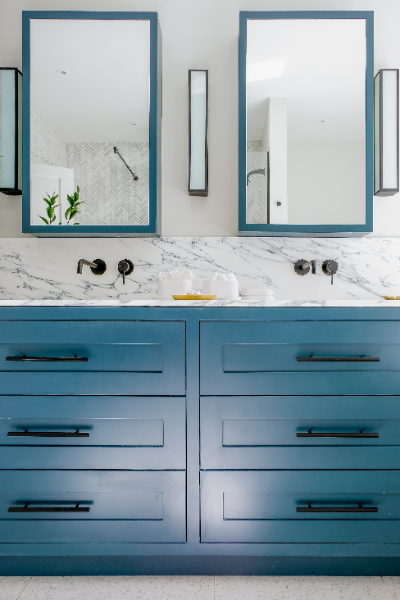
Moreover, blue cabinetry or tiles provide a refreshing touch in functional areas like kitchens and bathrooms.

You can complement blue with neutral tones like white, gray, and natural wood.


Artisanal Touches

There is a growing appreciation for handmade and artisanal elements in home design, as they contribute to the character of a home and create a space that reflects individual tastes.

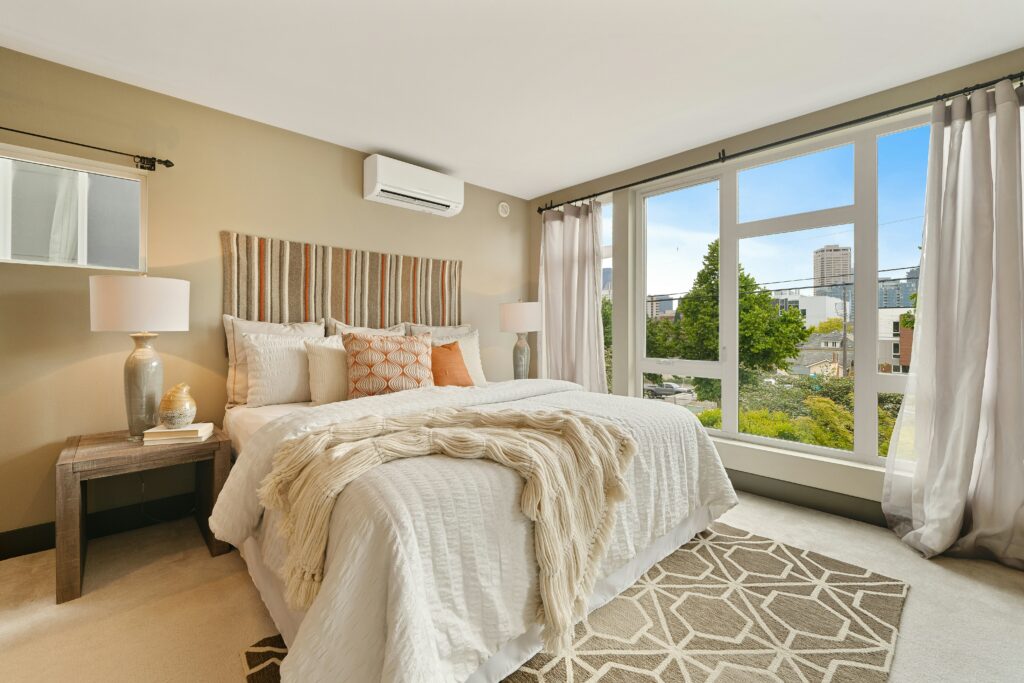

Custom furniture, handcrafted ceramics, and unique textiles add an authentic touch.


Warm Neutrals

Warm neutrals, such as beige, tan, taupe, cream, and soft whites, are a timeless choice for interior design.

It’s versatile and easy to complement; warm neutrals work well with cool and warm color schemes. It also offers easy maintenance and allows for personalization through textures and accessories.


Maximalism

Maximalist interior design is a vibrant and eclectic style that revels in excess. It features a bold mix of colors, patterns, and textures.

This design often showcases a diverse range of art, collectibles, and furnishings, with a fearless approach to combining elements that may seem unconventional. Unlike minimalism, where less is more, maximalism encourages that sometimes more is just right.


Timeless

Timeless interior design is a captivating approach that defies the transient nature of trends. To achieve this, focus on these principles:

  1. Neutral Palette:

    Stick to timeless colors like whites, grays, and earth tones.

  2. Classic Furniture and Quality Materials:

    Invest in high-quality, classic pieces with clean lines. Choose durable materials like hardwood and natural fabrics.

  3. Balanced Proportion:

    Arrange the space symmetrically. You can start with two elements. For example, bring two couches opposite each other or two chairs opposite a couch. Maintain a functional layout with well-proportioned furniture. It’s all about bringing balance to both sides of a room.

  4. Lighting:

    Find well-designed lighting fixtures that complement the overall aesthetic. Classic chandeliers, pendant lights, and sconces can add a touch of elegance and timelessness.


Organic-shaped Furniture

Unlike traditional furniture with straight lines and rigid angles, organic-shaped furniture embraces curves, flowing lines, and irregular contours reminiscent of natural elements.

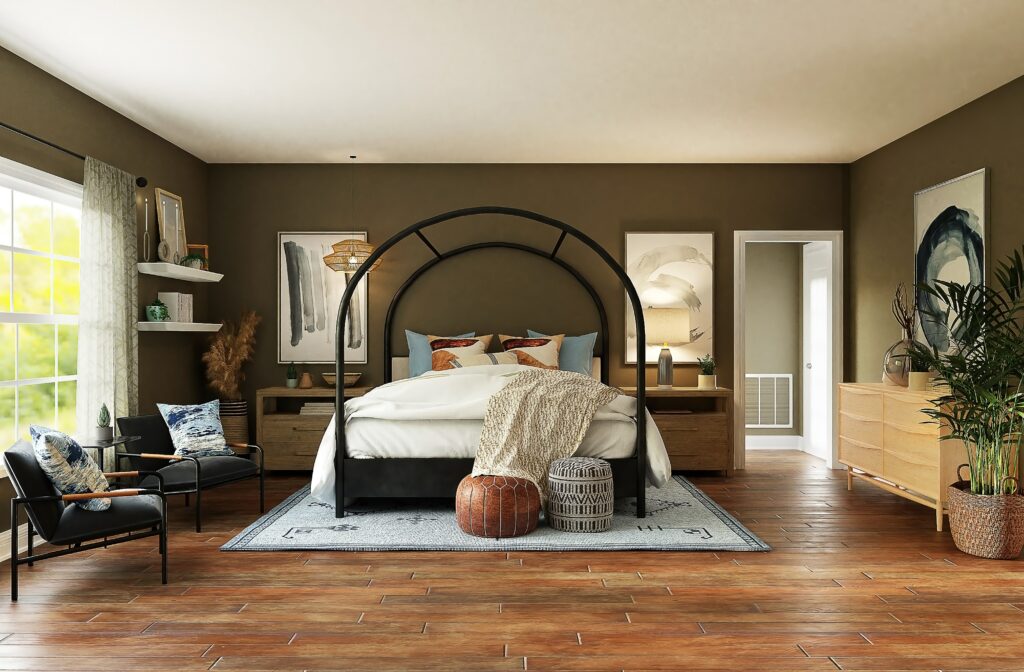
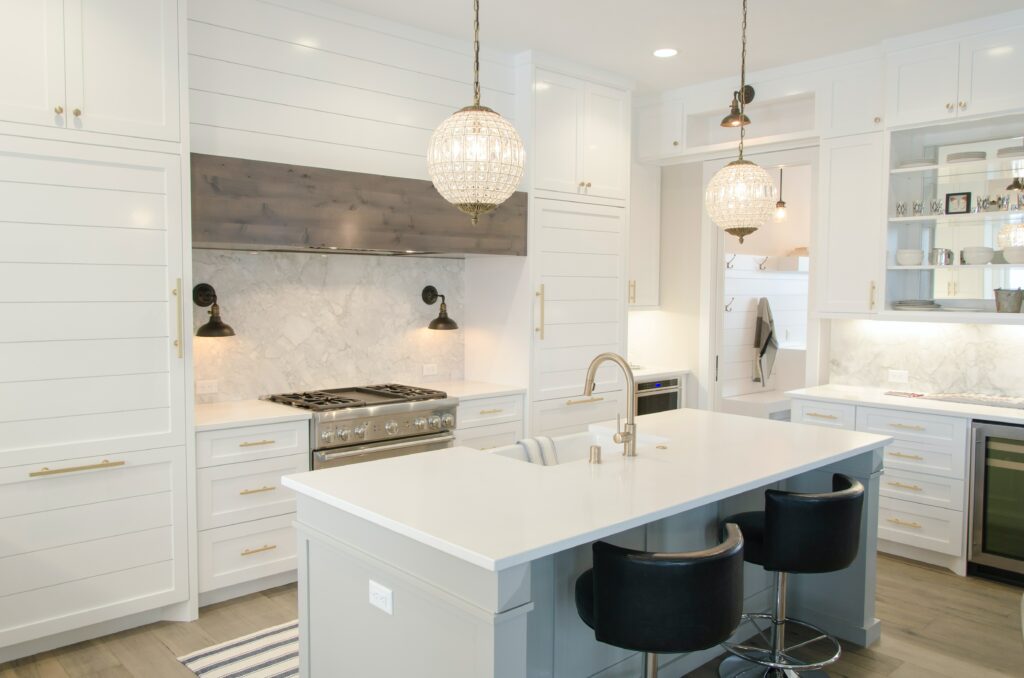


Swivel chairs, loveseats, or couches with rounded corners are all examples of it that can help soften contemporary rooms.

These pieces can be bright, particularly when they stand alone. They add a touch of color and become a focal point in a black-and-white room.


Backsplash Blending

Mitchell Parker from Houzz: Some designers are now installing a slab of stone or quartz behind the range or cooktop while keeping the surrounding backsplash areas tiled.

“The slab is often the same material as the countertops, giving the kitchen graphic veining and interesting details—it creates a striking focal point, plus, it’s easy to wipe clean,” he says.

Ultimately, the home design trends of 2024 encourage us to think beyond the conventional, inviting us to explore creativity and authenticism. These ideas will hopefully help if you’re looking to remodel your living spaces.

And for more interior design content, check out 10 Major Interior Design Styles Explained.

Finally, we wish you a happy new year! May it be filled with new adventures and good fortune. We look forward to helping you with all your real estate needs in 2024. Give us a call!

Posted in: General, Renovation + Build to Suit Tagged: #artisansothebys, #buildtosuit, #buyersagent, #designtrends, #forestville, #healdsburg, #homedesign, #homeownership, #interiordesign, #luxuryhome, #luxuryrealestate, #mackfaulkner, #petaluma, #realestate, #realestateagent, #remodel, #renovation, #sebastopol, #sonomacounty, #sothebysrealestate, #windsor, HeidiFaulkner, RandyMack

Posts navigation

Next Page »

Share This Page


Sonoma Real Estate Blog

Cosy Holiday Home Trends 2025: Sonoma County Edition

The Best Pumpkin Patches & Fall Activities in Sonoma County

Closing Costs: What Buyers & Sellers Should Expect in 2025

Should You Buy a Fixer-Upper or a Move-In Ready Home?

Contact Information

Randy Mack and Heidi Faulkner
Artisan Sotheby's International Realty
6984 McKinley Street
Sebastopol CA 95472
(707) 696-6272
(707) 480-4098
Fax: (707) 824-0587
Send an Email
 Logo For Randy Mack and Heidi Faulkner  Real Estate

About Us

We are proud to have aligned ourselves with Artisan Sotheby’s International Realty an inspirational brand based on heritage, tradition and expertise. We are setting new standards by refining the art of residential brokerage with a practiced eye of identifying the unique value of a property. We offer a deep commitment to excellent service and have a passion for unparalleled quality. Unique homes require skillful marketing through our local expertise and Sotheby’s International Realty interconnected global network of offices that are dedicated to the extraordinary.

Testimonials

I wish to express my satisfaction and confidence in your ability to find an ideal home for anyone that I would refer to you. My own experience in purchasing and selling a home with you allowed me to witness the fact that you are truly an expert in your field, handling all aspects of residential real estate transactions. From the beginning, your market analysis to the final stages of negotiations, your calm manner and clear explanation kept me knowing I was in the best of hands.

Mr. Mitchler
More Testimonials

Contact Us

Randy Mack - Realtor CA BRE#01252462
randy@mack-faulkner.com

(707) 696-6272
6984 McKinley Street
Sebastopol, CA 95472


Heidi Faulkner - Realtor CA BRE#01227446
Heidi@mack-faulkner.com

(707) 480-4098
6984 McKinley Street
Sebastopol, CA 95472


© 2025 · Equity Framework
© MMVI Sotheby’s International Realty Affiliates, Inc. All Rights Reserved. Sotheby’s International Realty® is a licensed trademark to Sotheby’s International Realty Affiliates, LLC. An Equal Opportunity Company. Equal Housing Opportunity. Each office is independently owned and operated, except offices owned and operated by NRT Incorporated. All information herein is deemed reliable but not guaranteed.
 

Listings Sitemap · Log in